


Out of the BoxLife X Grinder
Ceado has a very unique approach to their packaging; the box the Life X comes in is full of vibrant life scenes, people enjoying coffee. The outer box doesn’t so much promote the specific features of the grinder, but what kind of lifestyle to expect.
Opening the lid, we face a bit of a disappointment in 2024: a lot of styrofoam. This just isn’t acceptable any longer from any manufacturer, when valid and applicable environmentally friendly options are abound. If Breville and Rancilio can safely ship espresso machines weighing 10, 15 kilos or more in packaging based on cardboard forms, the maker of a 5kg grinder can do the same. We do urge Ceado to rethink their packaging for the Life X, to much more environmentally friendly materials.
On a more positive note, the Life X grinder comes with some interesting and unique documentation. Right up top, there’s three documents: a very nicely visual “what’s in the box” pamphlet, a “get to know your Life X” pamphlet, and pretty fantastic guide on how the grinder can build a variety of drinks, from espresso to pour over and more. It’s honestly one of the best “let’s walk you through the different kinds of coffee this grinder can service” guides I’ve seen.
There is also a credit card type thing with a scan code that, other than pointing you to Ceado’s lifestyle / instruction site for the grinder (a nice touch!!!), I haven’t quite figured out what it is for yet. In case you’re wondering, here’s a PDF of the Life X manual.
Interestingly enough, Ceado doesn’t wrap the various parts of the grinder in plastic bags like most manufacturers do, which, on the enviro side of things, is a positive. That said, a lot of the parts I unpacked were covered with a white kind of powder of unknown substance (no, not what you’re thinking) which gives a real reminder that you should always wash all the parts you get with a machine (that are washable) before your first use.
Everything, from the grinds bin, to the hopper feeder, to the on demand hopper all had this powder on it. So a nice warm water sudsy bath for everything, and a good wipedown of the grinder body itself with some foodsafe cleaners was performed.
With everything unpacked, it was time to look at this grinder from top to bottom.
Life X GrinderWalk Through
Right at the top of the Ceado Life X, we start with the choice of bean hoppers.
The grinder comes with two in the box: a 250g max capacity traditional hopper with a bean shut of slide. It mounts via friction into the grinder body, but Ceado also recommends attaching the single mount screw at the back. I do too, after I accidentally dislodged the hopper moving the grinder, and spilt beans everywhere.
The screw mount is a bit difficult to get to by hand only, because the hopper’s bean slider gets in the way. You will need a screw driver to mount and tighten it.
Ceado also includes a single dose hopper for the Life X, and it comes with a detached bellows and press tube. The hopper itself maxes out at around 30-35g of coffee, and you are meant to insert the bellows press tube after the grinding starts and the beans lower down into the grinder. Once the beans are mostly through the spinning burrs, a couple of flat palm presses on the bellows will clear out any stray grinds, effectively giving you a zero-retention result.
The purpose of the bellows push tube is to provide some pressure against the beans aiding them in their downward movement to the grinder burrs, but also to prevent any popcorning of the beans. The flat, blind 50mm burrs spin at a reported 1650rpm, so popcorning can be an issue without this device in play.
The standard hopper has a bean cap over the exit chute to the grind chamber ,and achieves the same effect, in a slightly less efficient way.

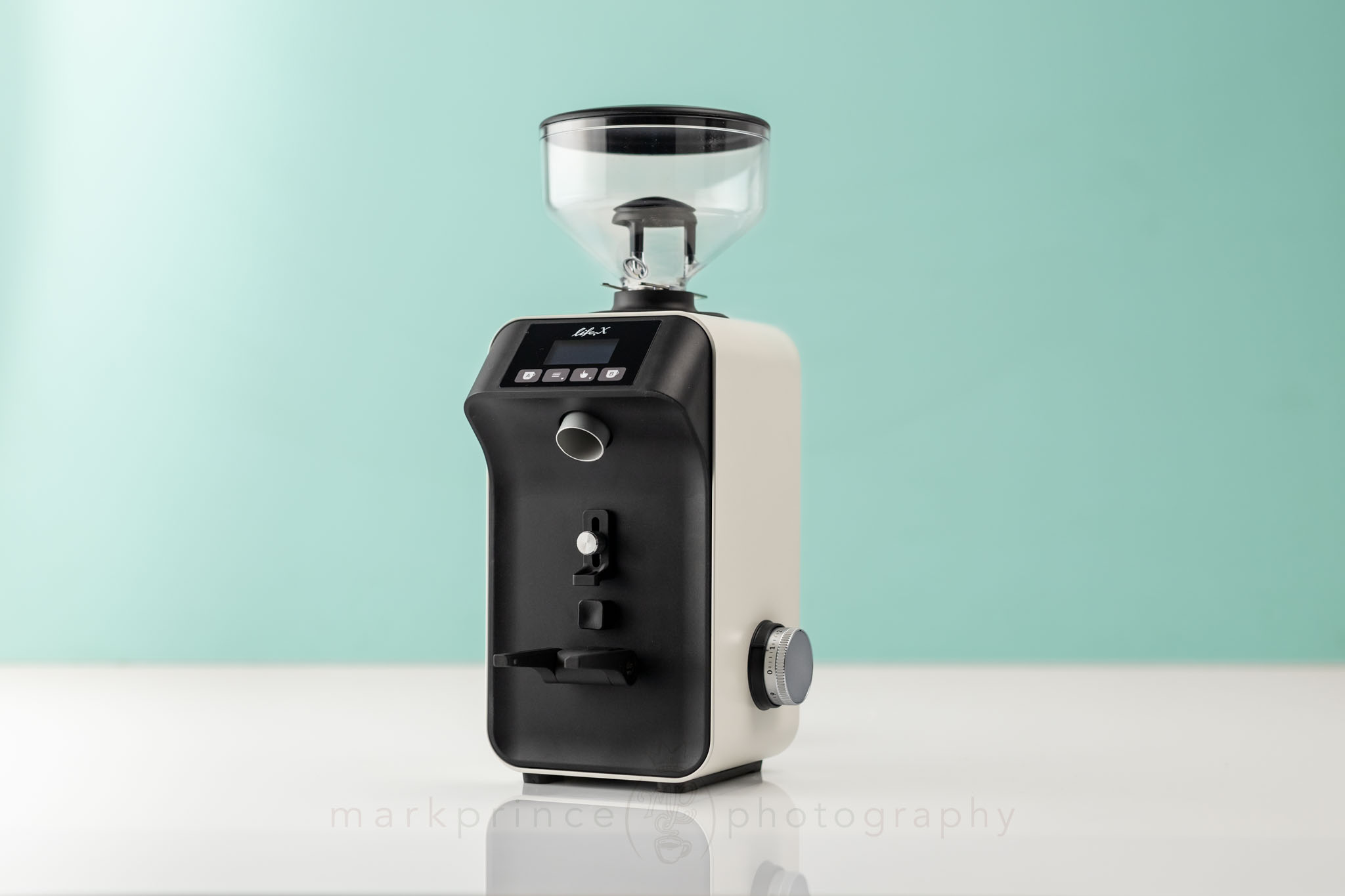
The control panel up front is redesigned, compared to the previous Life model, and we’ll cover that more below. The LED display is black with white pixels changing, depending on what mode the screen is in. When on, it displays a cup with a “1” in it, and the programmed time for that (the single shot button, on the left); it displays a second cup, with a “2” in it below, with the programmed time for that (the double shot button, on the right).
The four capacitive touch buttons below the display are single shot, menu, manual / on demand button, and double shot. The two middle buttons change function once you get into the menu, or go into manual grinding mode.
Pressing the menu button cycles through the grinder’s modes. The first press brings up the programming controls for the single and double shot buttons. Press either of those after getting to this menu, and you can change the grind time in .1 second increments.
Press the menu button a second time, and you get to the manual / on demand setting. You can set it either to just run with a manual button press (pressing again to stop it), or as a true on demand grinder, only operating as you press and hold that button.
Manual mode is great for single dosing and also for figuring out the times to program for your single and double shot buttons. When the manual mode is in “on” mode (press once to start, press again to stop), the display pops up a pause button and a stop button – if you hit pause, the timer count up continues to display, and commences again when you hit the pause button again to restart the grinder.
This grinder also has counters, keeping track of how many times each button (single and double shot) has been used, and also the total grinding sessions (including manual use). This is accessed by pressing the menu button 3 times, then cycling through the information presented.
Moving down the front of the grinder, you come to the grind chute, and the folding portafilter / grinds bin fork with it’s adjustable portafilter hook. The grind chute doesn’t jut out of the machine much, but enough that if you place Ceado’s included plastic grinds bin on the fold out forks, it’s lid can clasp and wedge just slightly under the grinds chute to stay in place hands free while grinding.
Thanks to the adjustable portafilter hook, pretty much every portafilter I’ve tried with this grinder fits and stays in place, from the 49mm chopped portafilter of an Olympia Express Mina, to the 58mm Lelit portafilters with their wacky wrap around spouts.
The front panel on the Ceado Life X deserves a bit of mention. On all units, it is black, made of dense textured plastic, and is slightly dimpled inward from its edges, which is a nice style effect. I really like it when companies apply these style characteristics to their products… it feels more professional.
The base of the Ceado Life X is impressive in its own right: instead of four rubberized feet like most grinders, it actually has a wraparound no-slip, grippy rubber base that does two things: minimizes vibrations and sounds from the grinder, and keeps it secure on the countertop.
The back of the grinder also has that dense, hiqh quality textured plastic, but is dimpled outward from the edges. It has a Ceado logo subtly embossed, and a power button in the lower left corner.
The grinds adjustment dial is on the right side of the grinder and is very well designed. There is a plastic arrow built into the black housing, indicating the current setting. The numbers and ticks are easy to see, and the stepless grind adjustment has just enough resistance to feel secure, but still easy enough to adjust.
The sides of the Ceado Life X are where the company applies some colour. It is a painted metal wraparound, all one piece, and is available in black, white, teal and beige. Other colours may be available at some point.
The grinder is small, and very heavy for its size. Operating weight is 5.2kg with the cord (12lb), and it measures 15cm wide, 20cm deep with the forks extended (16cm without) and is only 36cm tall with the 250g hopper in place. (6”x8”x14”). This is a very small grinder, smaller overall than a Baratza Vario+ (though they are the same width).
The Ceado Life X is a 120V grinder, with a 250W motor, spinning at 1650RPM at full speed. The burrs are entirely custom for this grinder and made by Ceado, and are 50mm and “blind” burrs, meaning there’s no screw-pass through on them. Being a blind design, they are the equivalent cutting area of 58-60mm traditional burrs.
Subscribe to
Coffee Pulse
Join the 12,850 other coffee lovers who receive CoffeeGeek's premier newsletter. Each issue dives deep into one coffee or espresso based subject. Subscribing is free, and your personal information is never shared.

Support CoffeeGeek
If you enjoy and learn from this resource, please consider making a one time or recurring donation to help support our work and fund purchases for future reviews.

Ceado Life XUpdates
Ceado has a reputation of applying fixes and updates to their grinders relatively quickly; the original Ceado Life was only available in the USA and Canada for about a year before the Life X model was introduced (though Ceado introduced the Life grinder nearly 4 years ago in Europe).
Burrs and Grinder Chamber
The blind 50mm burrs inside the Life X got a big upgrade. The cutting pattern has been changed to feed and break up the beans more efficiently, and the overall geometry has been improved for better performance, and for reduced fines production especially at the coarser end of the grind settings. Ceado also claims the burrs provide a much “cleaner cup” in the brew grind settings compared to the original Life burrs.
The chamber the burrs are housed in has been modified too, along with the grind selection “ratio”. The chamber is slightly taller overall, allowing for more travel between the burrs at the coarsest end. This means the Life X can approach a proper press pot grind (not quite though: we measured particle sizes around the 1050um size; you want about 1100-1200 for press pot). The previous Life model could only get to around 850-900um, so that is an improvement.
This does come with a slight cost: since the range of burr adjustment is greater on this grinder, but the grind selection dial is the same, it means the difference in grind adjustment per “tick” on the grind dial is ever slightly greater. Not a big deal at all though, since this is a true stepless grind adjustment system. Once you get used to the minute, slight adjustments you can make on the espresso side of things, it’s all golden.
Ceado also redesigned the exit chute and flap that covers it so there’s less retention, but also less “kick back” of ground coffee to muck up the grind chamber. It works well for espresso with very little static, but we did see more static build up with coarser grinds. RDT takes care of this.
I asked Ceado’s Cosimo Libardo if the burrs were backwards compatible with the original Life grinder, and while they are, the company explained there’s no real benefit to do so, as the burrs were engineered to work with the new grind chamber and the new flap system at the exit chute on the Life X.
Libardo also confirmed the burrs need a 3 to 5kg break in period before operating at optimal efficiency. That means that once fully broken in, the grinder should be very consistent on timed doses, back to back.
Libardo told me that the new blind burrs have an expected life of at least 400kg, or as he put it “the life of the grinder for a typical home user”.
Display and Interface
Ceado updated the display and controls for the Life X. The grinder – along with its predecessor – are pitched as a multi-purpose grinder that can do both on demand grinding (using the bean hopper) and single dosing (via the single dose chute), and people generally like a one touch button for single dosing operation of a grinder.
On the Life model, it wasn’t one touch: you had to touch the single and double dose buttons at the same time to get to pulse or single dosing mode. And it wasn’t very intuitive.
On the Life X model, Ceado reconfigured the display and buttons so the grinder now does have a true single press, single dosing grind button that can be set to be on with a single press (press again to stop), or running only while pressed. It also displays a count up timer in .1 seconds when using the grinder this way. There’s also a neat pause function, which keeps track of your total grinding time, if you are trying to measure the grind’s output via weight to program in the single and double shot “on demand buttons”.
Noise and Grinder Speed
The Life X is quieter than the Life grinder; I have tested the sound on the Life X, and it is around 70-71db with beans in the grinder. Referencing online tests for the original Life grinder, that was reported around 74-75db.
The output is also slower on the new Life X grinder. It was reported the original Life had an output speed of around 1.8g/sec for espresso at the 1.5 setting. On the Life X, after I’ve had about 3kg through the grinder for seasoning, I measured the output at 1.4g/sec at the 1.5 grind dial setting. This may change (and improve) as the grinder goes through more seasoning.
The reduced output, combined with the lower noise makes me speculate the Life X grinder may spin at a lower RPM than the original Life. That said, Ceado lists, in their specifications, that both grinders spin at 1650 RPM at full speed on 110V, 60hz power.
I asked Ceado’s Libardo about this speed difference, and he wrote that a combination of factors, including the different burr geometry, the redesign of the grinder flap, the larger grinder chamber all reduced the output speed (and noise) a bit on the grinder.
Other Changes
Besides the updated display panel and its new sleep mode, Ceado did some minor changes compared to the original Life Grinder shown at the Milan Expo in 2021. The grind selection dial originally was embossed metal for the numbers and ticks: it now has black lettering and ticks for much easier viewing.
First UseLife X Grinder
Almost immediately I found the Ceado Life X a pleasure to use (mostly). I got used to the control interface quickly, using the manual button press grinding to find the timings I needed to program in for the single and double shot buttons. I did this in combination with a scale: grind for about 10 seconds, hit the pause button, weigh, realise I needed another 2-3 seconds’ worth, pressed the pause button again, got that, hit pause again, weigh, and find my target “time” based on what the display said.
Then it was a matter of programming the double shot button.. Once that was done, confirm the grind dose via the timed grinding, make one more small adjustment, and the double button was set for doing 18.5g (give or take .2g) each time I pressed it (FYI, it was set to 12.4 seconds with the coffee I am using).
When using the Life X for espresso and grinding directly into a portafilter, it outputs the grinds as if from a sluicebox, jetting them gently to the middle of the portafilter basket. Clump free, fluffy, and centered. You almost don’t need to WDT these grinds. Not static issues at all.
Changing to the single dose hopper and using the grinder for brew grinding showed some minor issues. The grinder does produce more static by the time you get to a V60 grind, but a very light RDT spritz takes care of that. Using the funnel and bellows system, while a bit quirky (you can’t put it into the funnel right away, as the beans are in there and piled up), was efficient, and resulted in nearly zero retention. This grinder does seem to produce a lot of chaff at the end of the grind.
One thing that is a tiny annoyance is how messy the grinder gets around the bean hopper area when you use the single dose system. A lot of stray chaff ends up around the grinder’s rubberized collar. It’s hidden from view (inside the single dose hopper) but once you remove that to put the on demand bean hopper in place, you’ll see the mess all over the top of the grinder.
I suppose Ceado could remedy this by redesigning the single dose plastic hopper so it has a tighter final fit to the entry point to the burrs and grinding chamber.
How Does It Taste?
Honestly? Really good. Flat burrs do an excellent job for brew grinding, and a good job at more balanced espresso brewing (conical burrs tend to highlight acidity more). I’m not a big fan of excessive acidity, so the Ceado Life X hit the absolute sweet spot for me on espresso shots.
For brew grinding, I tested the Ceado Life X for V60 paper, V60 with an Able Kone filter (all metal), siphon coffee, and the Espro Bloom no-bypass brewer (without any filter paper used).
All were… excellent. Nice, well balanced cups, super clean and proper flow on the paper and cloth brews, and not overly muddy or “thick” for all metal filters. I’ve been testing a lot of grinders lately, and the Ceado is one of the better ones I’ve tried with the all metal Espro Bloom, which is a bit of a torture test I devised for grinders (I promise, I will have an article or how to on this soon).
For grinder settings, I was around the 1.5 mark for espresso, 5.5 for V60 paper and siphon cloth filters, and 6 to 7. for metal pour over and no bypass brewing. In our Full Review, we’ll dive a lot deeper into taste results.
Life X GrinderCompared To
At $700, the Ceado Life X isn’t a cheap grinder, but I want to give you a perspective: the premier espresso grinder for the Rancilio Silvia back in 2002 was the Rancilio Rocky. It was $375 (give or take $25) back in 2002. In today’s dollars, that is $650. And I can state, with authority, the Ceado Life X is a way, way WAY better grinder than the Rocky was.
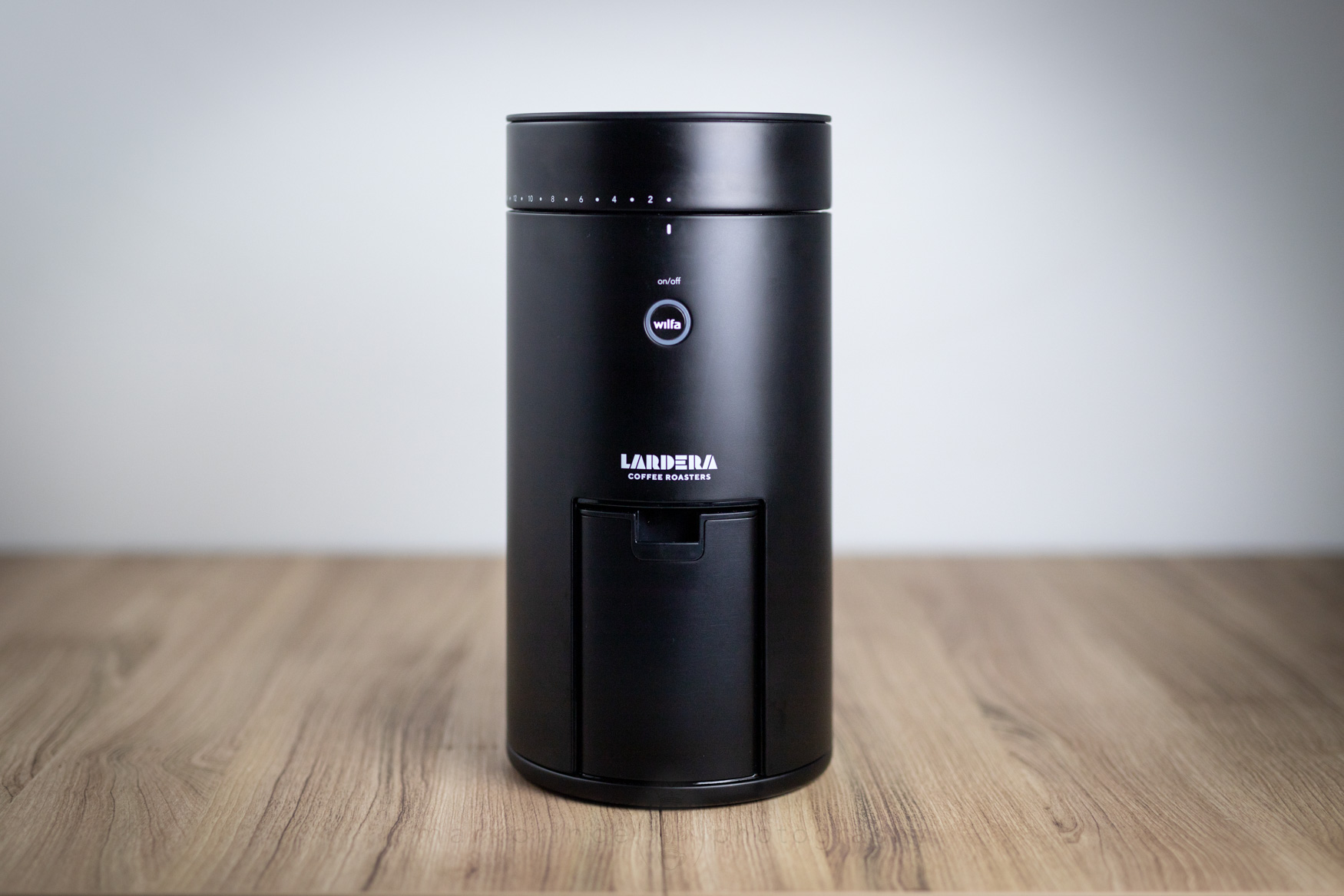
That said, there are flat burr grinders on the market today for as little as $350 or less, that do a good job. One is a model I’ll be comparing to the Life X: the Wilfa Uniform.
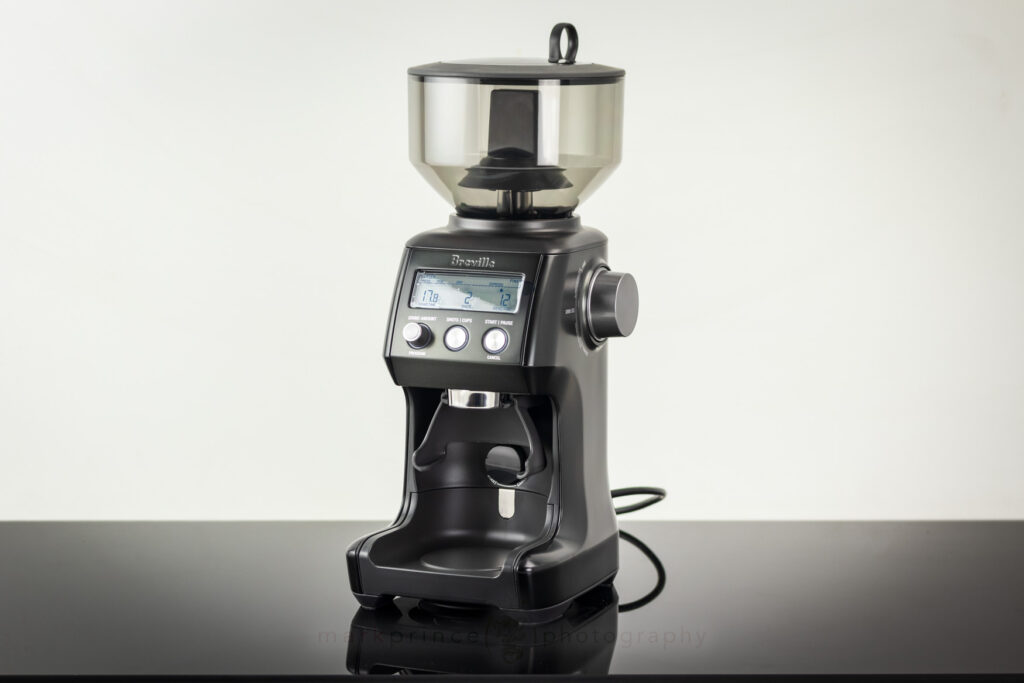
Close to the Life X’s price point and output offerings are the Rancilio Stile grinder, and the Baratza Vario+
Rancilio Stile
I really like the Rancilio Stile, a very underrated grinder (our first look is coming soon!). It’s been sitting next to the Lelit Bianca V3 espresso machine for 3 months now, getting daily use, and I’m amazed at the grinder’s ability on espresso: fast (18.5g out in 8 seconds), quiet (even quieter than the Life X), and the motor has an astounding level of confident torque you can just feel the moment you activate it. The Stile is also sometimes priced lower than the Ceado, going as low as $650.
That said, it has its own quirks, and while Rancilio pitches this grinder as “multipurpose” it isn’t really (at least easily). They have no catch cup for it (I’ve been told one is planned) for doing brew grinds. The display is finicky and sometimes non responsive. And some portafilters (like Lelit’s chunky 58mm with the wrap around spouts) don’t fit the forks well. The Stile is also definitely an on-demand grinder, and not suited for single dosing (though you can use it that way if you insist).
The Ceado is better suited as a multipurpose grinder. Adjusting the grind size is easier, and the ability to swap a single dose hopper for the 250g hopper is choice. I struggle to decide which has the better espresso output, because both grinders put out a nice, fluffy and even espresso grind.
Build quality on both is excellent, but the Rancilio Stile seems a tad more “professional grade”.
Basically if all I was doing was espresso with this grinder, I would go for the Rancilio Stile. If I wanted one grinder to do everything from espresso to chemex, the Life X wins.
Baratza Vario+
The Baratza Vario+ in many ways is a very different beast than the Life X. The Vario+ uses ceramic burrs made by Ditting, and some (myself included) argue that these burrs produce a more full and complex balance on espresso shots than metal flat burrs do.
The Vario+ also has a very different adjustment system for the grind levels, and it also has its own quirks: the macro and micro slider adjustments sometimes don’t register one or two micro clicks; you have to go 3 or more clicks, which over-compensates the adjustment, run the grinder a bit, then as it runs, go one or two clicks back to get the adjustment you were hunting for. The Ceado Life X, while having a very tight adjustment range, is stepless, and gives you a better practiced touch (with a LOT of practice) on better dialing in espresso grinds.
The $530 Vario+ has other features the Ceado lacks: a grinds bin + a portafilter fork system, presets, a lit-up dosing area, a more robust hopper system, and Baratza’s legendary after sales service and support. You also get about 100um extra “range” in the grind settings, going from about 200um up to 1150um (vs the 1050um max on the Life X)
The Ceado is quieter, slightly quicker (on espresso), has a better motor, more metal in construction, and those blind burrs make it the equivalent of a 58-60mm burr cutting surface (vs. the Vario+’s 54mm burrs with screw mount holes). I also like the controls and UI more on the Life X.
We wrote up an introduction to the Vario+ if you want to give it a read.
Wilfa Uniform
I love / hate this grinder (read our review). It remains one of the best brew grinders I’ve ever used, and at $350 or less, punches way above its weight class on grind output quality.
I just wish it wasn’t glacially slow (blame Tim Wendelboe’s consultation advice for that).
The Uniform is unique looking, quiet, produces a stellar brew grind and a good espresso grind (the Ceado Life X is better in this regard), and is half the price of the Life X. But it is slow. If your primary focus is on brew coffee, with the occasional espresso, I’d recommend the Wilfa over the Ceado Life X. Keep in mind Jim Hoffmann is also a big fan.
If you need to get to work anytime soon, the Life X will get you there much sooner. And it is a way better espresso grinder.
ConclusionLife X Grinder
For the life of me, I cannot believe that what you are reading now is the first (and so far only) independent content written about the Ceado Life X grinder you’ll find online. I searched high and low, and there are no other independent reviews out there of this capable, well built espresso and coffee grinder. Of course, there are lots of vendor reviews.
I could go on a rant about the whims and machinations of the modern day influencer and ginormous Youtube stars, but I’ll save that for another time. Well, one dig: I’d rather see the Hoff review a grinder like this (and the Rancilio Stile) than put out some celebrity coffee overview (Jim, get back to reviewing equipment, willya?)
Here’s what I’ve learned so far about the Ceado Life X: it’s a really well built, versatile grinder.
The output on the espresso side of the equation is fantastic, and it also serves extremely well as a brew grinder, where the strengths of a flat burr really shine. It’s unique in that, right out of the box it offers both a single dose system and an on-demand bean hopper. The user interface is intuitive and well thought out. The digital timers, once the burrs are fully seasoned, repeat your doses within .2g (up or down) every time. The grinder is quiet, has a decent (not blistering) output speed, and it looks fantastic. It deserves to be reviewed and talked about more.
The price is a bit steep considering what else is out there in the flat burr market, but you’re getting unique burrs from a top burr manufacturer, you’re getting a beautiful design, a solid build quality and top shelf parts. It is a machine that should last for decades. More important: it’s built by a company that should also be around for decades to come (for that after-warranty service you might need).
The Ceado Life X is entering a very competitive market. On top of the grinders I’ve compared it to in this review, it also compares to the DF64 Gen 2 ($500), and even the DF54 ($350) model. That said, it offers several things those grinders do not, including the multiple hopper systems, the better motors and build quality, and Ceado’s reputation and history. The DF grinders use off the shelf burrs. Ceado designs their own and the housing they go into, as just one example.
The Ceado Life X is now available from select retailers (we list two below, and we don’t make any affiliate income from either). It is $699USD, and available in several colours.
Subscribe to
Coffee Pulse
Join the 12,850 other coffee lovers who receive CoffeeGeek's premier newsletter. Each issue dives deep into one coffee or espresso based subject. Subscribing is free, and your personal information is never shared.
Mark has certified as a Canadian, USA, and World Barista Championship Judge in both sensory and technical fields, as well as working as an instructor in coffee and espresso training. He started CoffeeGeek in 2001.
- Mark Prince
- Mark Prince
- Mark Prince
- Mark Prince


3 Responses
Hello. Thanks for the great review.
I just received the Life X. Quick question, can the power switch stay on? Or does it have to be switched off with every grind? I will be using your setting of 5.5 for brew coffee.
Please let me know.
Thanks.
George
The power switch can stay on; the grinder goes into a standby mode, with the Ceado logo appearing and disappearing on the screen.
How does this compare to the Eureka Mignon Filtro? Seems to be the most misunderstood really great grinder of our time.
Thanks for another thorough review!