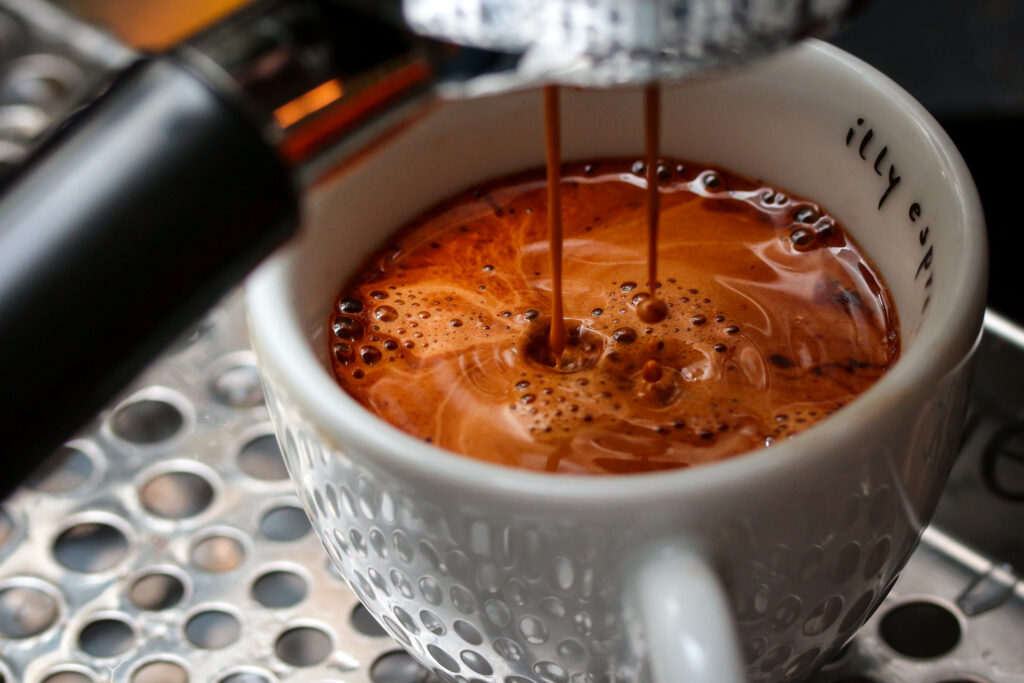




Ahh, the much maligned lungo espresso shot pull. CoffeeGeeks of all types would never ever admit to pulling one, at least on purpose, much less drink one. So what is it? Well first, let’s tell you what it is not. The Lungo is not a long black. Don’t let Wikipedia tell you otherwise (sidenote: whoever is editing that page is utterly wrong).
The lungo, as it originated in Italy, is simply a longer shot pull. Instead of pulling 30ml per single, the Italian barista, when asked for a lungo, would pull it about 50% longer, giving 45-50ml in the cup, per single. The drink is more bitter, a tad over extracted, and thinner, but it is also lighter on caffeine per ml (it still has a bit more than an espresso shot, but mg of caffeine per ml of liquid is lower) and like many things, became a developed taste and had its fans.
We won’t be demonstrating a lungo that way.
We believe there’s a better way to pull this kind of shot, and we’ll walk you through the process. It mainly involves a grinder adjustment to help with the overall extraction rate. For the CoffeeGeek method of pulling a lungo shot, you need to go just a few hairs coarser on your grinder, and use the same weighted dose of coffee that you’d use for a normal espresso shot.
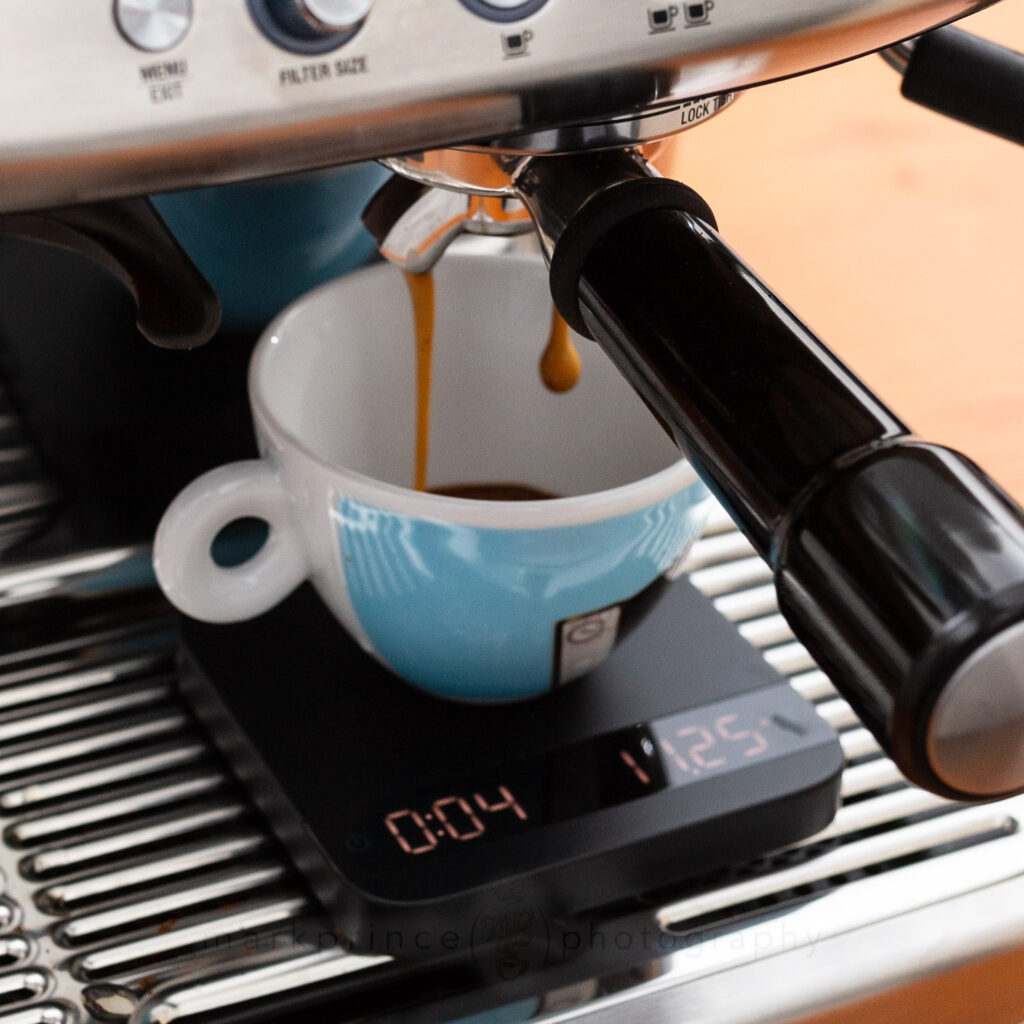
We like thinking of grams of espresso beverage produced per second when talking about ristrettos, normale espresso, and lungos. With the aid of an inexpensive scale and a watch, you can see how many grams of liquid are produced. Ristrettos aim for 1g/second. Normale espresso, 2g/second. And a lungo? 3g/second is a good rate to see.
We’ll take you through all of this in the how to, then get a bit more into the history, theory and cultural placing of the lungo amongst coffee lovers around the world.
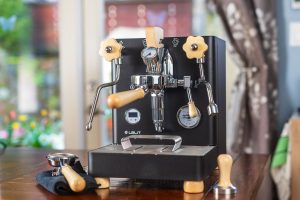
For this How To, we’re using a Breville Barista Pro espresso machine (available in Canada from idrinkcoffee ($899CDN), and the USA from Espresso Zone ($799US)). The Pro’s visual shot timer helps gauge your flow rate, especially when you use a scale. We’re also using the amazing (and expensive!) Acaia Lunar Espresso Scale to gauge our flow rate, but you can easily make due with any Sub $15, .1g scale that’s big enough to hold a couple espresso cups. And we’re using a Guatemala Single Origin selection (La Esperanza) from Batdorf and Bronson to build this long double espresso shot.

Mark has certified as a Canadian, USA, and World Barista Championship Judge in both sensory and technical fields, as well as working as an instructor in coffee and espresso training. He started CoffeeGeek in 2001.