

Oh espresso. The backbone, the lifeblood of so many coffee drinks we toil over and love. It’s been around for well over 120 years in name, and nearly 75 years in the current form we know, and people have always been trying to make it better.
One of the newest trends captivating serious espresso enthusiasts is the “turbo shot” or “turbo espresso.” It’s a different way of making espresso, and it’s got people talking, debating, and definitely curious. So, let’s dive into what this turbo shot is all about: where it came from, how you make it, and what makes it unique. Consider this your go-to guide for understanding this new trend in the coffee world.
But if you need a TL:DR, here you go:
Instead of using fine grinds and high pressure, turbo shots employ coarser grinds, lower pressure (around 6 bars), and shorter extraction times (around 15 seconds).
But of course, you’re a Coffee Geek, and you want to know more. Let’s get into this.
How it Came to Be
The turbo shot is a relatively recent innovation. It gained prominence in the espresso discussion groups and forums around early 2020, following the publication of a scientific study titled “Systematically Improving Espresso“. (PDF Link) This research, spearheaded by coffee professionals and scientists including Dr. Christopher Hendon and Michael Cameron, explored ways to optimize espresso extraction for consistency and flavor.
Interestingly, the turbo shot was initially seen as a “mistake” in espresso preparation before gaining acceptance. This highlights how perceptions of what constitutes a “good” shot have evolved over time, with techniques once considered flawed might now be embraced for their different qualities and outcomes.
The study’s findings challenged conventional espresso wisdom, suggesting that coarser grinds, lower pressure, and shorter extraction times could yield superior results, particularly with lightly roasted coffees. This marked the formal introduction of the turbo shot to the coffee community. A key insight from this research was the use of mathematical models to challenge traditional beliefs about espresso extraction, demonstrating that coarser grinds, contrary to common practice, can actually lead to improved extraction and flavor.
Despite its recent rise to fame, the concept of using more coarse grinds and higher yields in espresso-based drinks isn’t entirely new. The “sprover” (short for “spro-over”), also known as café crème, has been a popular beverage in Switzerland and northern Italy since the 1980s. This drink, with its pour-over-like extraction, foreshadowed the turbo shot’s emphasis on coarser grinds and adjusted brewing ratios. Both the sprover and the turbo shot share a common thread: they challenge the traditional emphasis on fine grinds and lower yield ratios in espresso, demonstrating the potential for alternative approaches to achieve desirable flavor profiles.
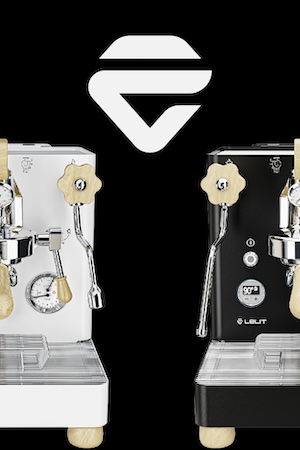
There’s another reason for the rise in turbo shot popularity: the Decent espresso machine (Youtube Review).This machine was one of the first to offer unprecedented control over the active pressures used during a shot pull, and it is right at home pulling the lower-pressure shots that are part and parcel of the turbo shot process. Other machines also let you control shot pressure, mostly through easy access to an overpressure valve (OPV). These include the Profitec GO, and the newest MiiCoffee Apex, among others. And still other machines, like the Lelit Bianca or La Marzocco GS3 let you manually control the grouphead pressure in real time via a paddle.
Appeal and Drawbacks of the Turbo Shot
There’s been a lot of appeal for the turbo shot, with a lot of claims and boasts about what it can deliver. There’s also been some drawbacks pointed out.
Here’s some of the strongest perceived and claimed benefits of the turbo shot. Bear in mind, we aren’t endorsing or claiming these benefits, but presenting the results of my research on what others have said.
- Increased Flavor Clarity and Sweetness: A common sentiment amongst turbo shot fans is that the method produces a sweeter and more nuanced cup with heightened flavor clarity. This is attributed to the more even extraction (not higher, but more even) achieved with coarser grinds and lower pressure, which helps to avoid over-extraction and the bitterness it can create.
- Faster Extraction: The shorter brew time of turbo shots is considered a significant advantage for busy cafes, and also for home baristas. It allows for quicker coffee preparation without sacrificing flavor or quality.
- Forgiveness and Consistency: One of the most common claimed benefits is that turbo shots are more forgiving than traditional espresso, making them easier to master, especially for those new to espresso. The coarser grind and lower pressure reduce the risk of channeling and uneven extraction, promising more consistent results.
- Efficiency and Sustainability: Turbo shots typically use a lower dose of coffee compared to traditional espresso. This can lead to cost savings and reduced coffee waste, making it a more sustainable option. Furthermore, baristas can achieve similar flavor and body with less coffee, further enhancing the efficiency and sustainability benefits for cafes.
- Not Under-Extracted: Another claim a well-prepared turbo shot is not under-extracted, despite the shorter extraction time. The coarser grind and lower pressure compensate for the shorter brew time, allowing for a high extraction yield.
- Delicious and Vibrant: A common thread in my research was that many turbo shot fans boasted their drinks were incredibly delicious and vibrant, especially when enjoyed as a straight black espresso. The heightened flavor clarity and sweetness contribute to a more enjoyable and nuanced coffee experience.
In my research, there’s a good number of people who don’t “get” or enjoy turbo shots, and often point out issues with the brewing method and the resulting cups.
- Lighter Body: One of the most common complaints about turbo shots is that they have a lighter body compared to traditional espresso, and feel that the lack of a full-bodied mouthfeel results in a less than desirable beverage.
- Not Ideal for Dark Roasts: Almost everyone, including turbo shot fanatics, agree the method does not lend itself well to medium-to-dark roasts. The faster extraction can amplify bitterness.
- Requires Experimentation: While considered more forgiving, dialing in the perfect turbo shot still requires a good deal of experimentation with grind size, pressure, and extraction time. A recurring theme was that one person would post their “perfect” turbo shot recipe, others would try it, and not experience the same taste results.
- Not Just a Fast Shot: There’s often confusion over all the elements of a turbo shot. It’s crucial to understand that the method involves a specific combination of coarser grind, lower pressure, and adjusted dose, not just a fast extraction time. Simply pulling a shot quickly at 9 bars does not constitute a turbo shot and can result in under-extraction, leading a lot of experimenters to write off the brewing method.
A Standard Method for Making a Turbo Shot?
There’s so many variations on this new brewing method, nothing seems set in stone yet. You can watch one Youtuber who puts out what they consider the “definitive” turbo shot, and it’s completely different from the next Youtuber down the line. Same goes for discussion forums and reddit discussions. I’ve even dived deep into the back channels of Discord groups, finding lots of different methods and methodologies.
Some users advocate for a pre-infusion stage, while others experiment with different ratios and extraction times. I even found one variation called the “extractamundo dos” profile, an even shorter version of the turbo shot that aims for even faster extraction while claiming flavor clarity and sweetness is maintained.
For now, this is what I’ve come up with as one of the more standard methods.
- Dose: Use a smaller dose of coffee than traditional espresso, typically around 15 grams.
- Grind: Grind the coffee to a medium-fine consistency, coarser than a typical espresso grind, but not as coarse as a pour over grind.
- Tamp: Tamp the coffee grounds evenly in the portafilter.
- Pressure: Set the espresso machine to a lower pressure, around 6 bars. This one is tricky, unless you have easy access to an espresso machine’s OPV valve.
- Extraction Time: Aim for a shorter extraction time, typically around 15 seconds.
- Yield: The final yield should be similar to a traditional espresso, around 40 grams.
It’s important to note that these parameters can be adjusted based on the specific coffee beans, grinder, and espresso machine being used. Experimentation is key to finding the optimal settings for your setup.
To illustrate the key differences between traditional espresso and turbo shots, consider the following table:
| Parameter | Traditional Espresso | Turbo Shot |
|---|---|---|
| Dose | 18-22 grams | 15 grams |
| Grind Size | Very Fine | Medium-Fine |
| Pressure | 9BAR | 6BAR |
| Extraction Time | 25-30 Seconds | 15 Seconds |
| Yield | 40 grams | 40 grams |
A Note on the Decent Espresso Machines
The turbo shot is most popular within the small community of Decent espresso machine owners, because of that machine’s ability to completely control… well, everything about an espresso shot from temperatures, flow rates, timings, and pressures. Truth be told, Decent owners tend to be very “loud” in online forums, so their opinions and preferences are often amplified.
The machine, with its precise control and customization options, allows users to create specific “turbo shot profiles” that automate the brewing process. These profiles can fine-tune parameters like flow rate and pressure throughout the extraction, further optimizing the turbo shot method for this particular machine. Decent owners can also share recipes with other owners, further expanding the interest and experimentation in turbo shots.
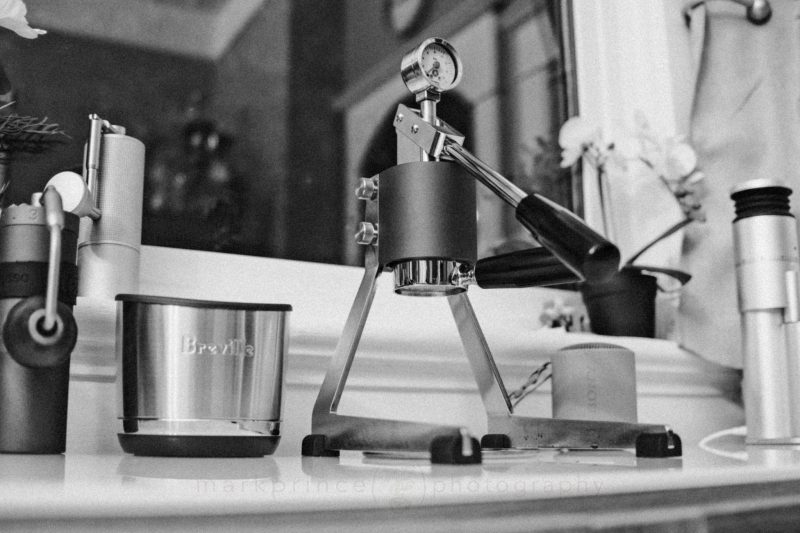
Of course, any machine with an easily accessible OPV valve can also be used to experiment with turbo shots. Just dial the pump pressure down to 6BAR, and you’re off to the races. And manual lever machine owners aren’t left out either: they can just regulate and modulate their lever pulls to hover around the 6BAR area. If you’re lucky enough to have a paddle equipped machine, like the La Marzocco GS3 MP, or the Lelit Bianca, you can also use the paddle to dial down to the 6bar area for your turbo shot experiments.
Expected Taste Profile
Proponents of the turbo shot claim the cup results have increased sweetness and more balance to the flavors. The lower pressure and shorter extraction time help to minimize the extraction of bitter compounds, resulting in a smoother, more approachable flavor.
Some common tasting notes associated with turbo shots include:
- Increased Sweetness: Turbo shots often exhibit a heightened sweetness compared to traditional espresso, bringing out the natural sugars in the coffee beans.
- Reduced Bitterness: The lower pressure and shorter extraction time help to mitigate bitterness, resulting in a more mellow and rounded flavor.
- Lighter Body: Turbo shots tend to have a lighter body than traditional espresso, contributing to a cleaner and more delicate mouthfeel.
- Enhanced Clarity: The reduced extraction of bitter compounds allows other flavors to shine through, resulting in a more nuanced and complex cup.
Variations on the Turbo Shot
Beyond the standard method, several variations and nuances surrounding the turbo shot are worth exploring:
- Turbobloom: This technique involves adding a short, zero-flow bloom to the turbo shot process. By pre-infusing the coffee grounds with a small amount of water before applying full pressure, the turbobloom aims to further enhance extraction and flavor development. This can lead to a more even extraction and a more pronounced flavor profile.
- Allongé: This method utilizes a coarser grind and higher yield ratio, similar to a turbo shot, but maintains a higher extraction pressure of 9 bars. This results in a faster shot with a slightly different flavor profile compared to a traditional turbo shot. The allongé is often described as having a bolder flavor and a slightly heavier body.
- Lungo: While also using a coarser grind and lower pressure, the lungo has a significantly longer extraction time (35-60 seconds) than a turbo shot, resulting in a larger beverage with a higher caffeine content. This produces a less concentrated espresso with a more diluted flavor. Lungos are often preferred by those who enjoy a larger volume of coffee with a milder taste.
- Sprover: This method, popular in Switzerland and northern Italy, employs a coarse grind and a 1:10 brewing ratio, producing a larger, pour-over-like espresso beverage. The sprover bridges the gap between espresso and filter coffee, offering a unique combination of espresso-like intensity with a filter coffee-like clarity.
These variations highlight the versatility of espresso extraction and the ongoing exploration of new techniques within the coffee community. The increasing popularity of single-dose grinders has also contributed to the rise of these alternative methods, as they allow for greater precision and control over grind size and dose, which are crucial factors in achieving optimal results with techniques like the turbo shot.
Concluding Thoughts

The turbo shot has emerged as an intriguing development in the world of espresso. By challenging traditional brewing parameters, it promises a unique approach to extraction, potentially yielding a sweeter, more consistent, and efficient espresso. Whether it delivers that is up to your own tastebuds.
While still relatively new, the turbo shot has captured the attention of coffee enthusiasts and professionals alike, prompting further experimentation and refinement of this innovative technique. That is probably the best thing about this new trend: it gets us experimenting again.
And looking deeper into it all, the turbo shot’s emphasis on efficiency and consistency could have significant implications for the coffee industry, particularly in commercial settings where high-volume production and consistent quality are paramount. Furthermore, the technique’s promise and theory about producing a sweeter, more approachable flavor profile may appeal to a wider range of coffee drinkers, potentially influencing coffee consumption trends and expanding the appreciation for espresso-based beverages.
The turbo shot also reflects the evolving relationship between science and coffee brewing. By applying scientific principles and mathematical modeling to espresso extraction, the developers of the turbo shot are demonstrating a pursuit for innovation and optimization within a seemingly traditional craft. This approach may inspire further research and experimentation, leading to new discoveries and a deeper understanding of the complex variables that influence coffee flavor.
So no matter what you think about the Turbo Shot, at the very least, it’s fueling additional experimentation and evolution in espresso, and that’s never anything to scoff at.

Allison's day job is highly sought after dog groomer, which encapsulates one of her three loves: dogs. Her other two loves: writing and coffee, are what brought her to the CoffeeGeek writing team. An unabashed V60 fan, Allison also explores Portland's cafe scene with gusto, often taking Max, her border collie with her.















One Response
Wonderful read. I’ve been seeing some coffees mention Turbo Shot and had no idea what it was referring to, and this explains it perfectly. Articles like this are the reason I’ve been visiting CoffeeGeek for so long.