
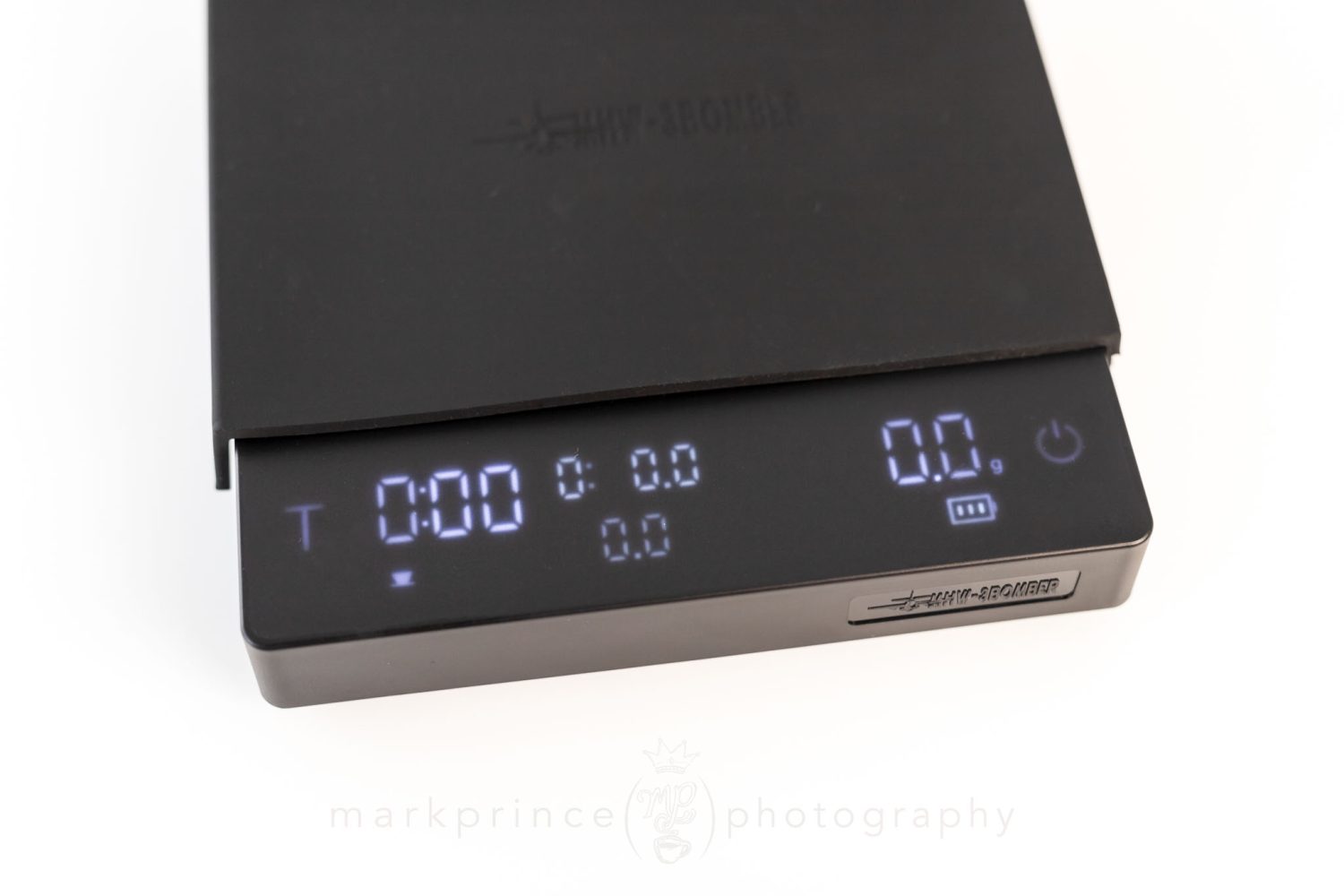





If you’ve been hanging around the coffee gear world for a while, you’ll see that MHW-3Bomber has a knack for standing out, sometimes loudly. They’re a Chinese company whose strategy seems to be simple: take features normally reserved for premium equipment, pack them into aggressively priced products, and see how many fans of higher-end gear they can lure over. The latest attempt comes in the form of two new coffee scales, the Cube 3.0 Micro and the Cube 3.0 Pro Max.
They’re both interesting, not just because of what they do, but because of how little they cost compared to their closest competition. The Cube 3.0 Micro is just $48, often with discounts, and the Pro Max is $55, again with occasional discounts.
One is designed for portability and espresso, the other is a bigger, data-driven beast for pour over. Neither scale is perfect, but both make you question whether you really need to spend $150 or more on a coffee scale.
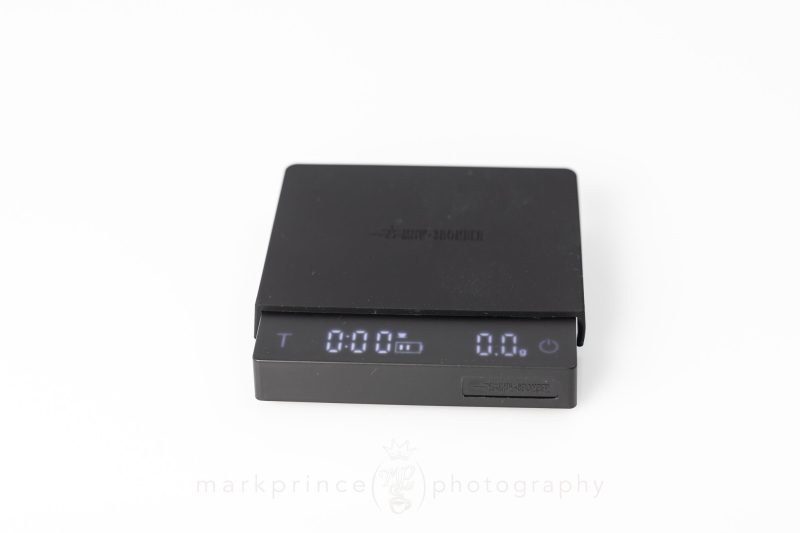
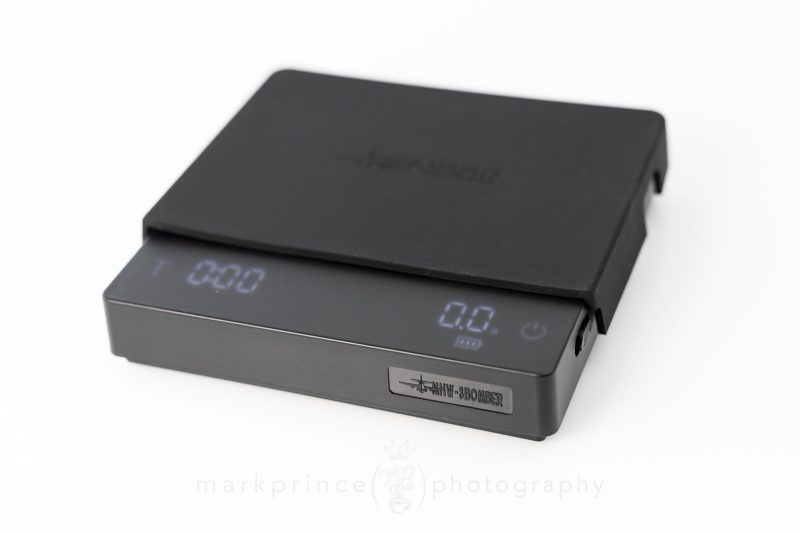


If you can get past the name, which still makes some folks wince, the MHW-3Bomber branding on these scales is subtle and easy to live with. What matters more are the features and price. We’re not doing a full review on these scales, but I wanted to give you a closer look at some serious new contenders for measuring the weights of your brews.
The Cube 3.0 Micro: Pocket-sized Precision
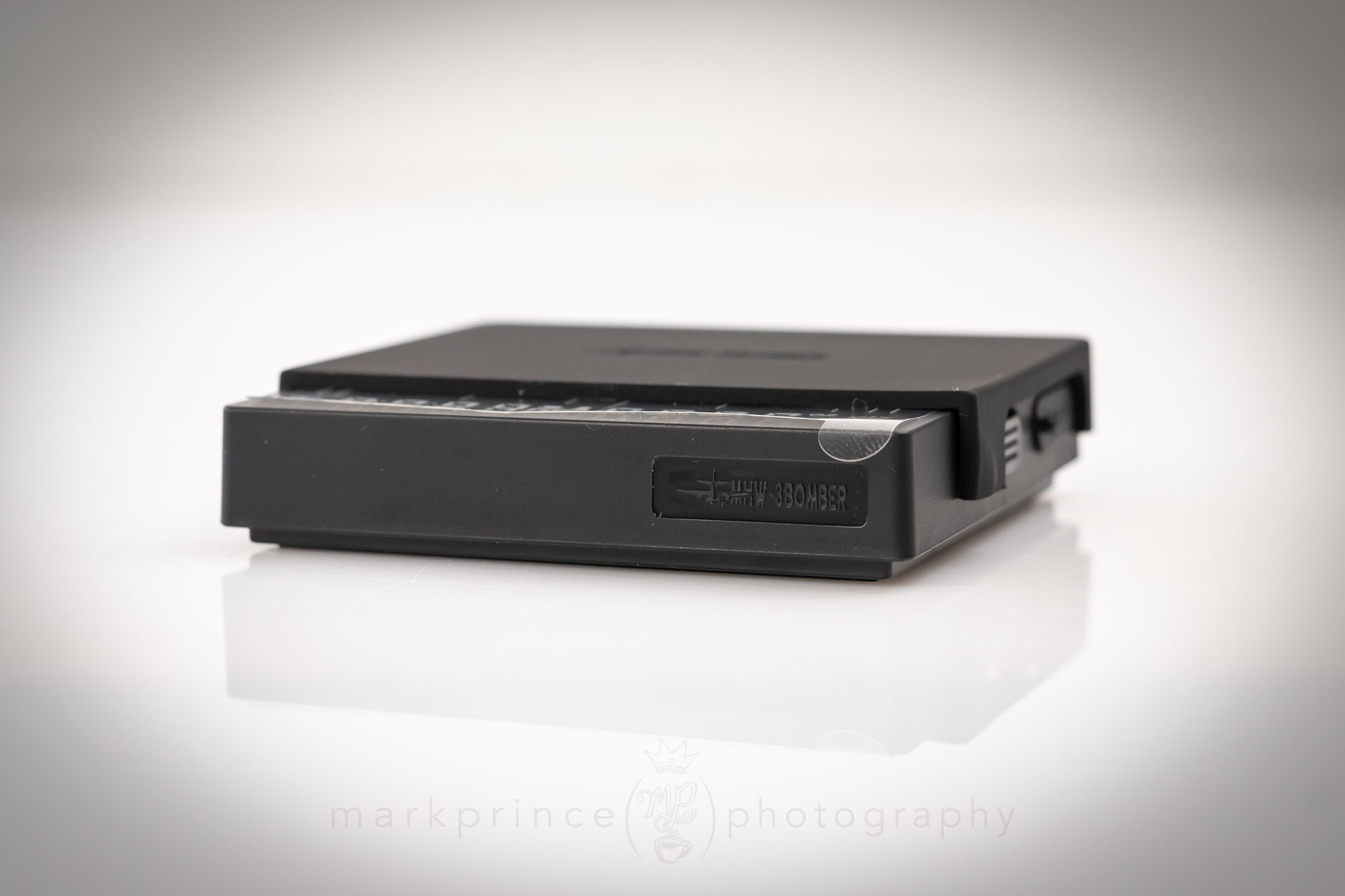
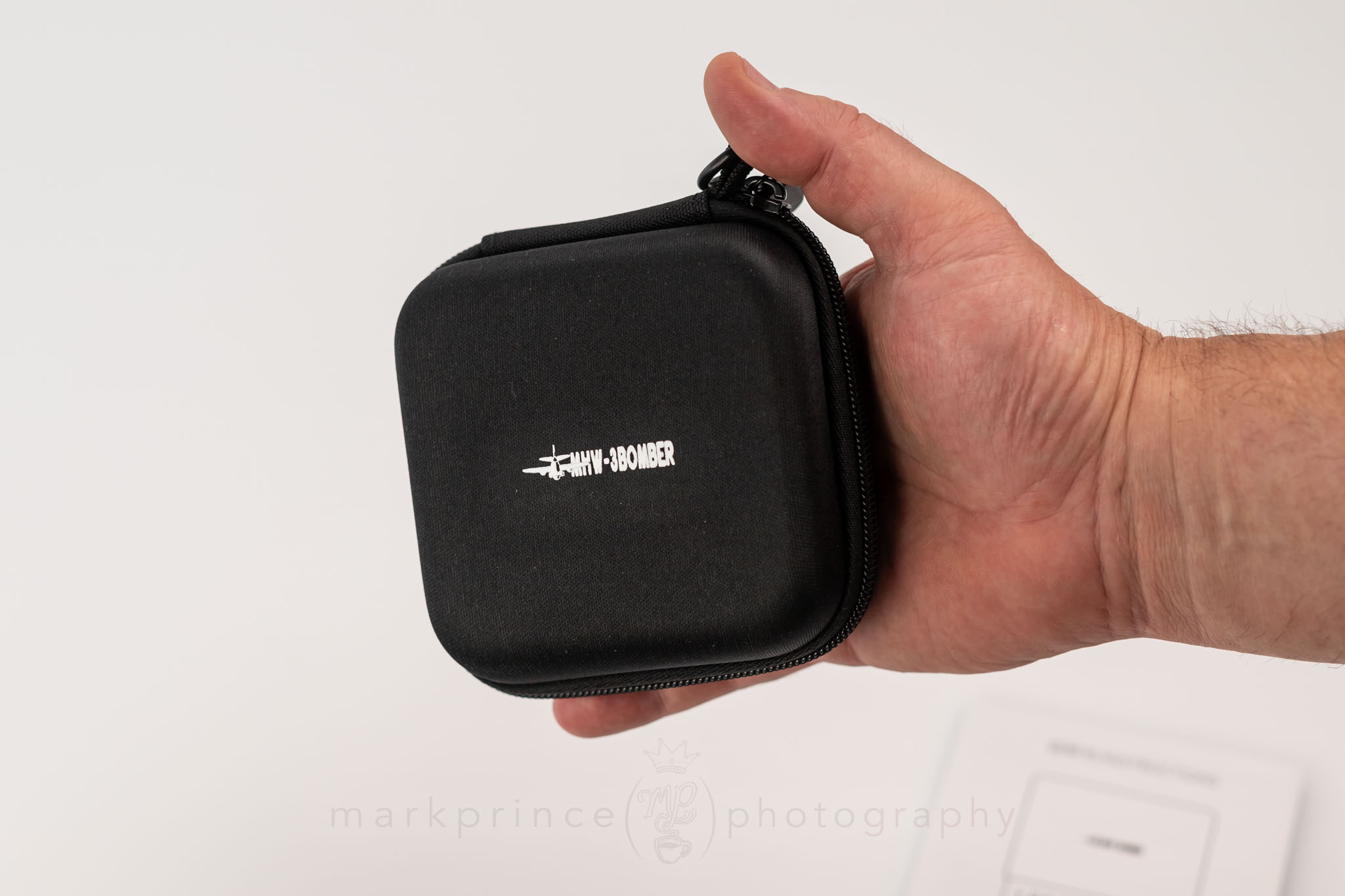
The Micro is the smaller of the two, and MHW-3Bomber really leaned into portability here. It’s only 85mm by 85mm, weighs just 138 grams, and comes with a carrying case that is shockproof, waterproof, and has a little storage compartment for cables, or even a baggie with up to 100g of coffee. It’s about as close to a travel-ready espresso scale as you’re going to find.
Accuracy is a bit of a trade-off. The scale reads in 0.1g increments up to 1000g, which is fine for espresso and single-cup brews. But once your brewing gear pushes the weight past a kilo, the precision drops to whole grams. That means when you add coffee grounds on top, you lose the fine accuracy many people want for dialing in recipes.
It has three brewing modes: normal scale mode, pour over, and espresso. The espresso mode is where it excels, with a feature that automatically starts the timer when it detects the first drops of liquid hitting the cup. If you’ve ever fumbled with a scale, trying to start the timer while trying not to ruin your shot, this is a big aid.
There’s also an auto-on function: drop something weighing 50 grams or more on the scale and it wakes up ready to go, zeroing itself out in the process. I like this feature for pre-weighing a portafilter before grinding coffee into it from a single dose grinder.
The Cube 3.0 Micro also remembers your last used mode, which is nice if you’re a creature of habit, and it has what 3Bomber calls an “anti-mistouch” feature that helps avoid accidentally resetting the tare mid brew.
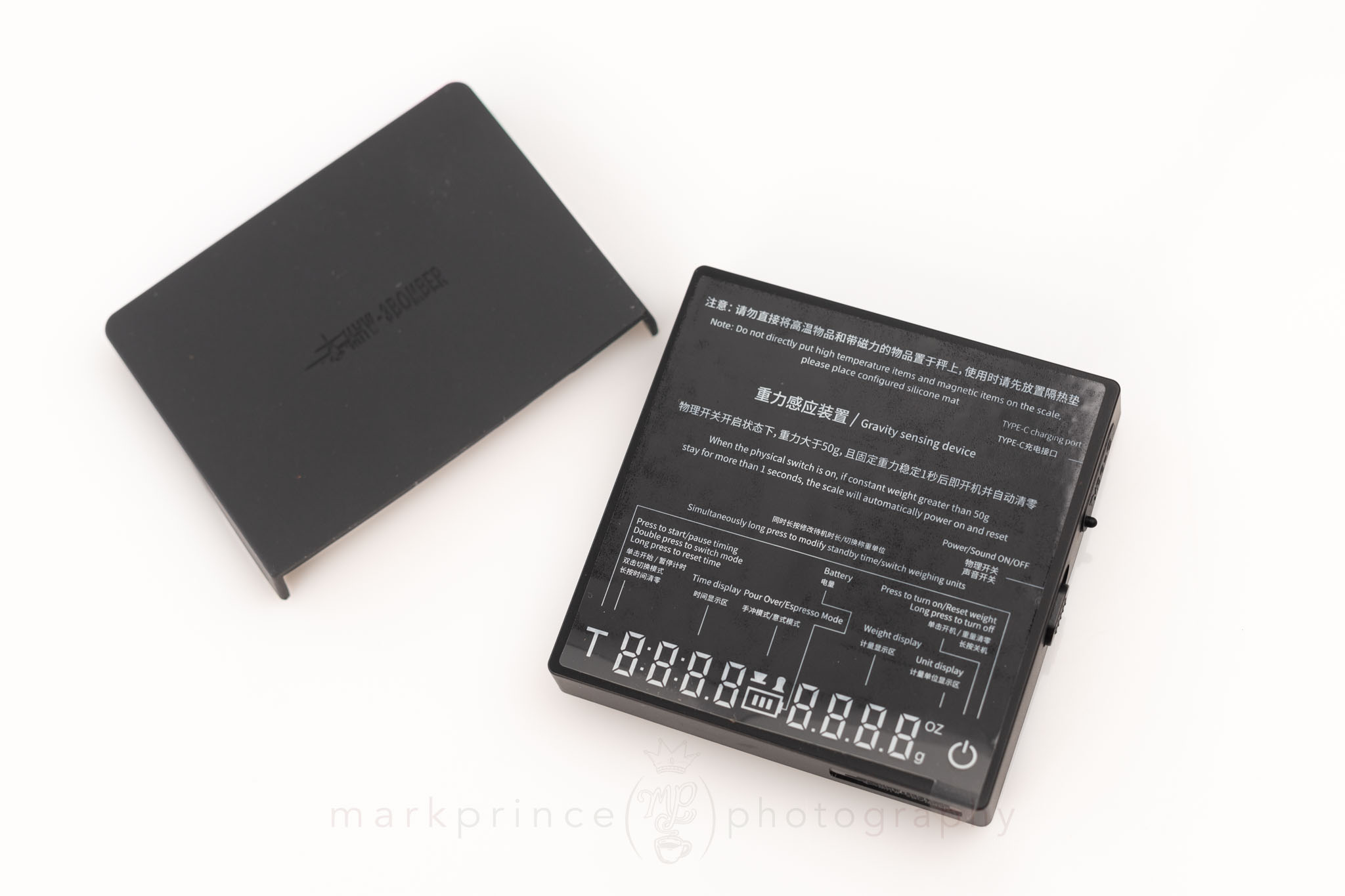
Battery might be a concern. I’ve seen two different “reports” of the battery inside – one said 400mah, the other said 600mah. Either way, not a lot of power, and having a scale that stays on for up to 30 minutes will drain it super fast. Charging is slow too; in fact, 3Bomber specifically warns you against using a rapid charger with this USB-C equipped scale.
The Cube 3.0 Pro Max: The Big Brother
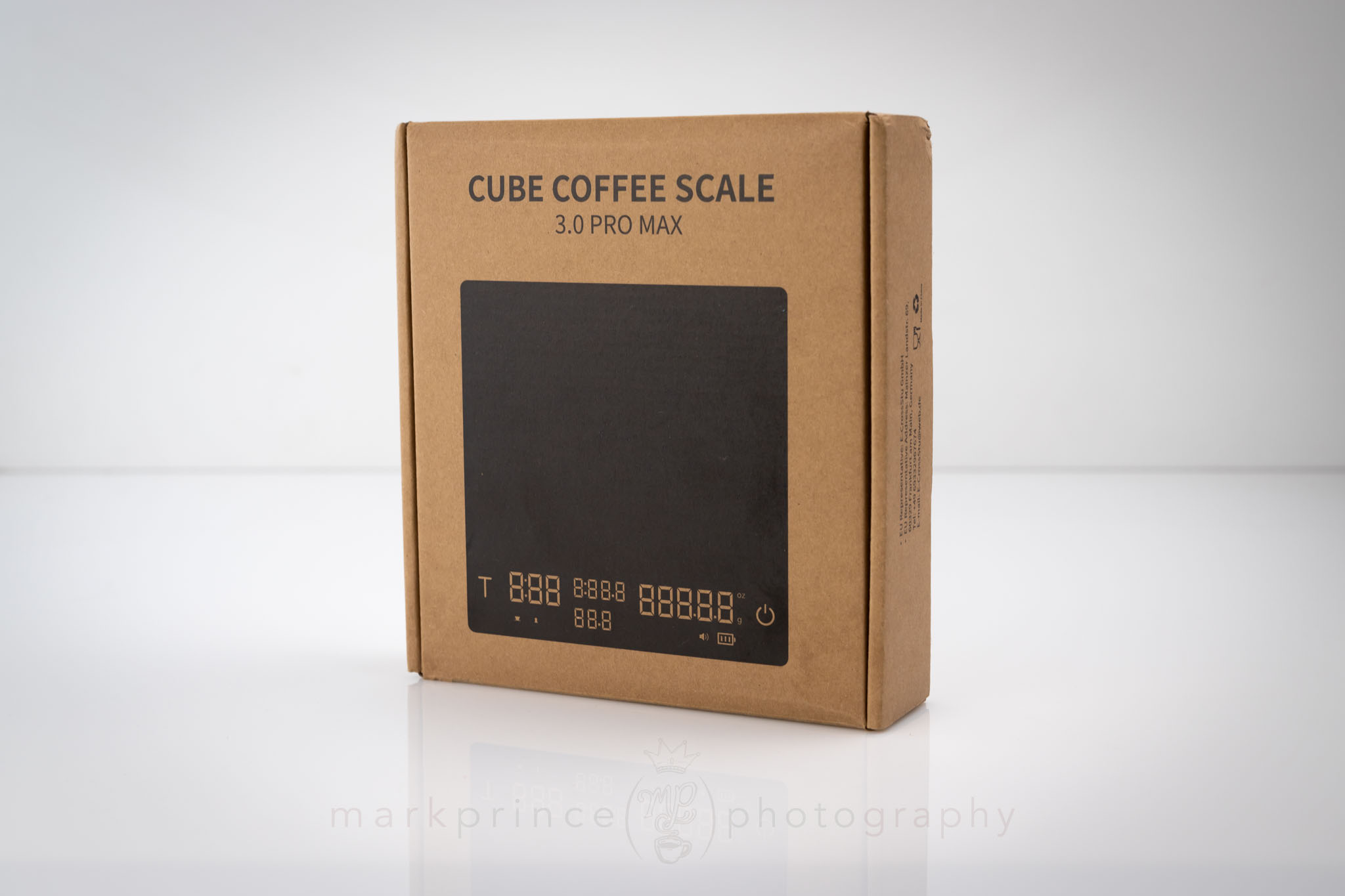
If the Micro is all about compact espresso work, the Pro Max is built to be a kind of countertop command centre (going with the military motif, I am lol!). It’s a lot bigger at 150mm by 150mm, weighs around 560g, and has a broad weighing surface that can handle everything from a Chemex to a portafilter without covering up the display. Just like the Micro, it has a custom made silicone sleeve that sits on top, necessary because heat can affect the weighing mechanism.
Accuracy is 0.1 grams across the full range up to 2000 grams. No compromises.
The showpiece feature here, for me at least, is the live brew ratio readout in pour over mode. I love it: I can put any random volume of coffee I want in the pour over device (oh wait, I ground 23.1g of coffee? let’s roll with that!), register it with the scale (that action is super quick and intuitive), and the scale will give me a live readout of the ratio as I pour brewing water. No more mental math gymnastics if I want to get a 1:14 ratio (or a 1:16.3 ratio for that matter); just watch the live readout, and stop pouring once I hit my target.
Another nifty feature is the real-time flow rate display. This is usually reserved for scales 2x-3x the price, like Acaia or high-end Timemore models. The Pro Max shows your pouring speed in grams per second (down to .1g), along with time, the aforementioned brew ratio, and total water weight. For anyone chasing consistency in pour over, it’s a huge deal. Except, there is one issue with the flow rate, which I’ll cover below.
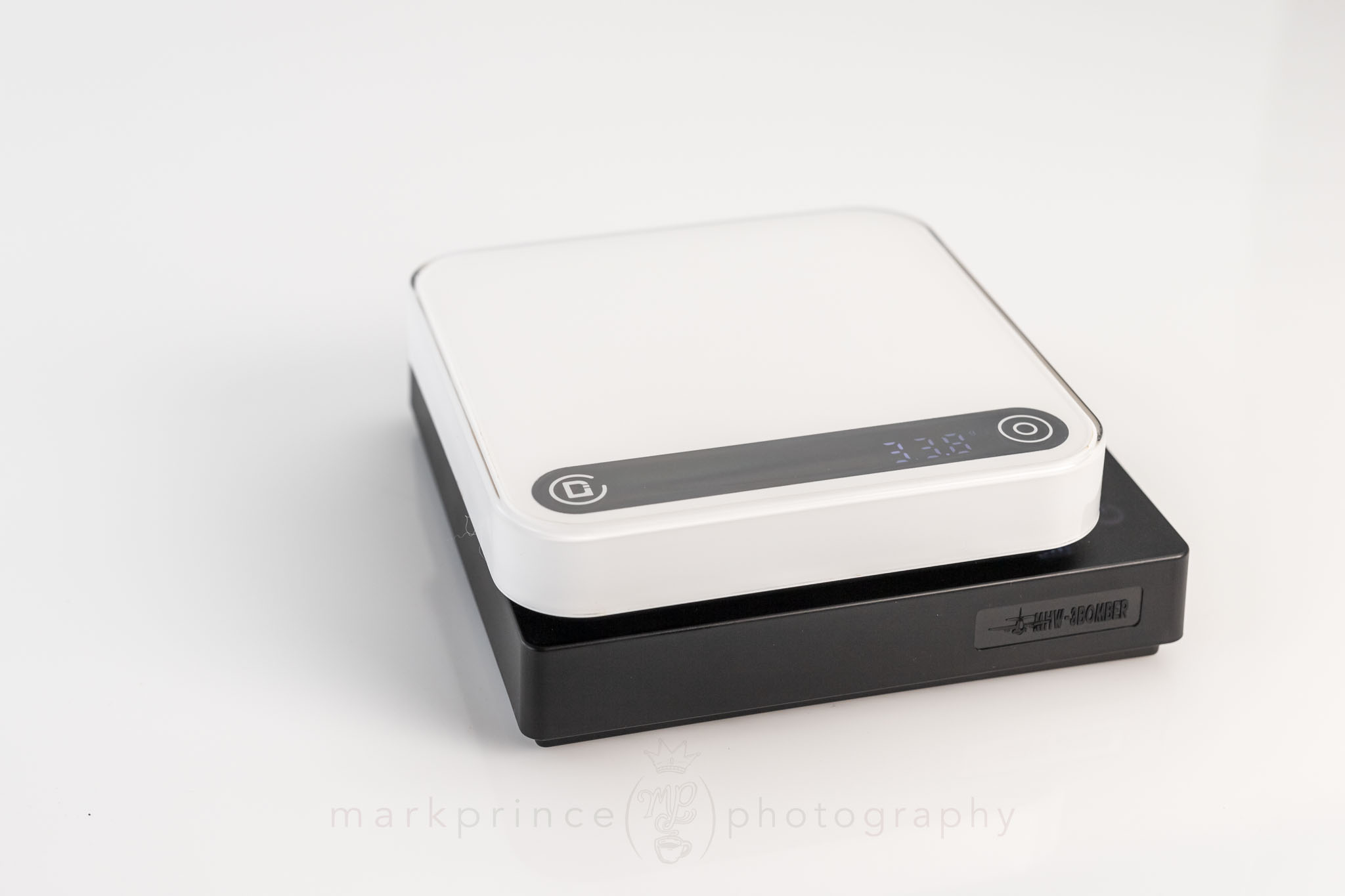
The Pro Max has the same brewing modes as the Micro, but with more data on screen. After you finish brewing, the stats stay visible until you clear them, so you can actually review what you did instead of losing the numbers the moment you lift your kettle.
Power is another strong point. The Pro Max has a 3000mAh battery with a claimed 72 hours of continuous use. That’s not a typo. You could brew coffee all week, almost non stop, without plugging it in. It also recharges via USB-C, and that takes a long time because you cannot use fast chargers with this device.
Where They Stumble
As good as these scales are on paper, they aren’t flawless.
- The plastic feels cheap. That’s the trade-off at this price point. Don’t expect the solid build of an Acaia Pearl, a DiFluid Microbalance, or the luscious Bookoo Themis.
- The Pro Max display is dimmer than it should be. It’s fine in most kitchens, but if you’re in bright light you’ll notice it. The Micro’s display is brighter, but not as clear as something like the Bookoo Themis.
- As great as the real time flow rate readout on the Pro Max is on paper, it’s not actually “real time”. In my testing, it’s quite laggy. You’ll see live numbers and think – okay, I’m pouring too fast, then adjust, and then go way too low because of how much lag there is in the readout vs your actual real-time pouring. Fine tuning your pour it can be frustrating.
- Finally, the auto-off timer options are odd. You can set it to 10 minutes, 30 minutes, or always on. Personally, I’d like to see 5, 10, and 20 minutes instead. The 30 minutes and always on timings for the Micro are especially weird, given its tiny battery (assumed).
These may be deal breakers for some; but the price points will probably shift them back to “yeah, I think I want one” territory.
Price and Competition
Here’s where things get interesting. The Cube 3.0 Micro usually sells for around $48, often with extra coupons floating around, while the Pro Max comes in at about $55, again with discounts if you catch them. Compare that to scales that MHW-3Bomber see as their rivals in these spaces: the ultra diminutive Bookoo Themis, which is most like the Micro, sits at about $130, and the Acaia Pearl, in the same size class as the Pro Max, goes for about $150.
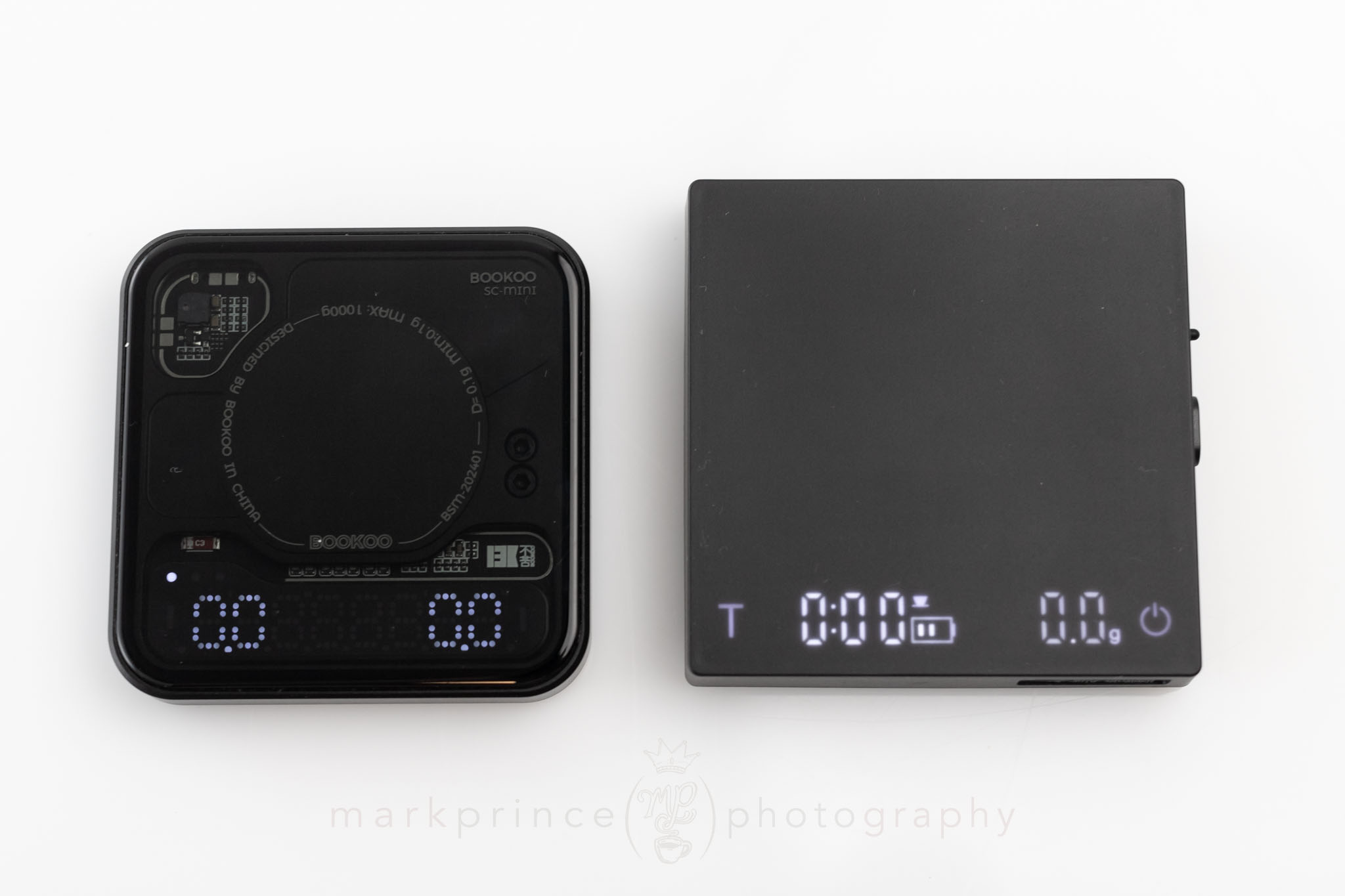
That’s not just competitive pricing, it’s disruptive. Even if you take into account that MHW-3Bomber often ships direct from China, with longer delivery times and the chance of added fees or tariffs (something US buyers are dealing with right now thanks to their current president’s policies), you’re still paying a fraction of the price for features that normally come with a much steeper tag.
Which One Makes Sense for You?
If you mostly brew espresso, the Micro is a welcome addition to the marketplace. It’s small enough to sit on a drip tray, it has the auto timer, and it won’t take up much space in a travel bag. It even feels at home on a Breville Bambino Plus or Delonghi Dedica with their narrow drip trays. It is a bit taller than the Acaia Lunar or Bookoo Themis, so there still will be a tight vertical fit on machines like the Gaggia Classic and Profitec Go.
If you’re more into pour over or want a do-everything scale, the Pro Max is the better pick. The flow rate display is imperfect but still useful, the live brew ratio is brilliant, the battery life is ridiculous, and the price is almost laughably low for what you get.
If you’re torn between the two, the Pro Max is only seven bucks more but don’t expect to fit it on your espresso drip tray. Unless space is really tight, it’s probably the better all-rounder.
Closing Thoughts
MHW-3Bomber may have an unfortunate name, but they’re doing something important here. By putting advanced features into affordable packages, they’re forcing the rest of the coffee gear industry to rethink what counts as “premium”, at least where features are concerned.
Neither the Cube 3.0 Micro nor the Pro Max is perfect. The plastics feel cheap, the displays could be brighter, and the Pro Max’s flow rate isn’t as live as it should be. But for under sixty dollars, you get functionality that used to cost double or triple that. That’s worth paying attention to.
If you’re in the market for either, at the top of this article we linked to MHW-3Bomber (that’s not an affiliate link for us) to buy direct if you choose. Or if you want to help out our website, you can purchase these on Amazon using these affiliate links: Cube 3.0 Micro Scale ($48), or the Cube 3.0 Pro Max Scale ($55).

Mark has certified as a Canadian, USA, and World Barista Championship Judge in both sensory and technical fields, as well as working as an instructor in coffee and espresso training. He started CoffeeGeek in 2001.














2 Responses
It’s cool to see MHW‑3Bomber releasing both the Cube 3.0 Micro and the Pro Max at once—it really feels like they’re aiming to serve both the travel‑oriented barista and the serious home‑user. I’m curious whether the Pro Max brings any noticeable workflow advantages in speed or responsiveness compared to the compact Micro.
Impressed by the new tricks and tech that 3bomber is bringing to their scales. I already bought the micro based on your article, thanks! Looking forward to getting it.