

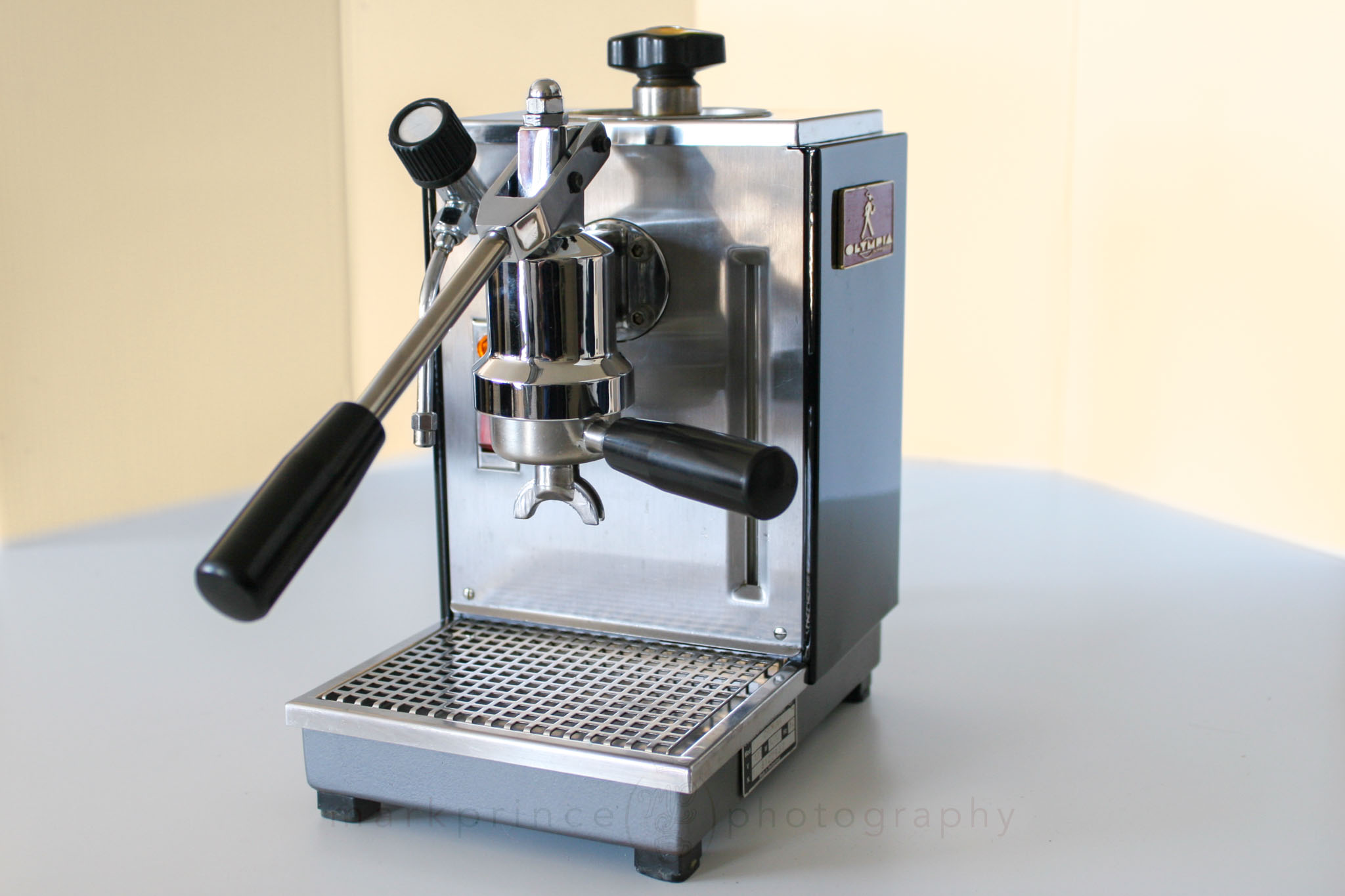
There are certain names in the world of espresso that command instant respect. Olympia Express is one of them. For decades, if you were serious about home espresso and had the money, you probably lusted after a Cremina.
It was, and still is, the Leica M3 of manual lever machines. First designed and built in-house back in 1967, the Cremina became an icon. It was a beautiful, overbuilt piece of Swiss machinery, a purely mechanical tool, that promised a direct connection to the process of making coffee and was engineered to last for generations. This is a company that moves at a glacial pace, more aligned with a “slow food” philosophy than the “express” in its name would suggest.
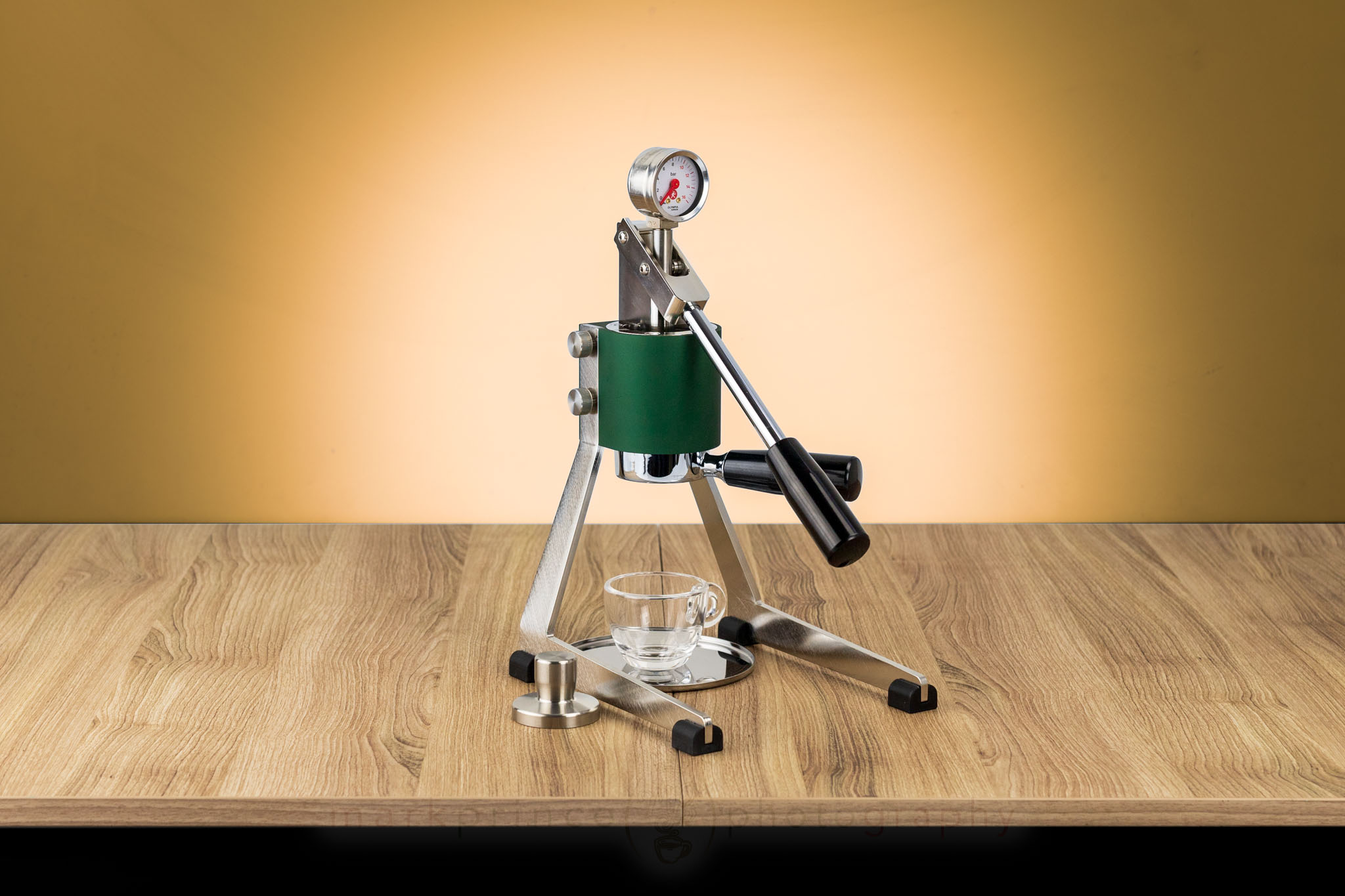
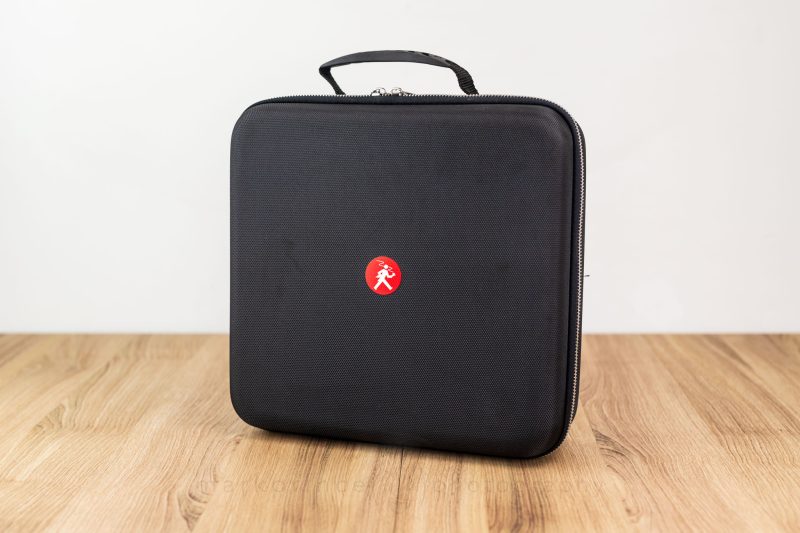
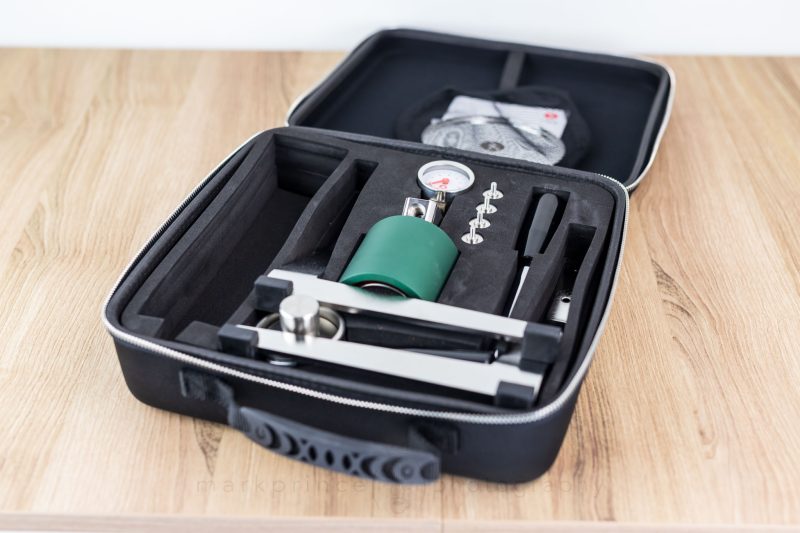
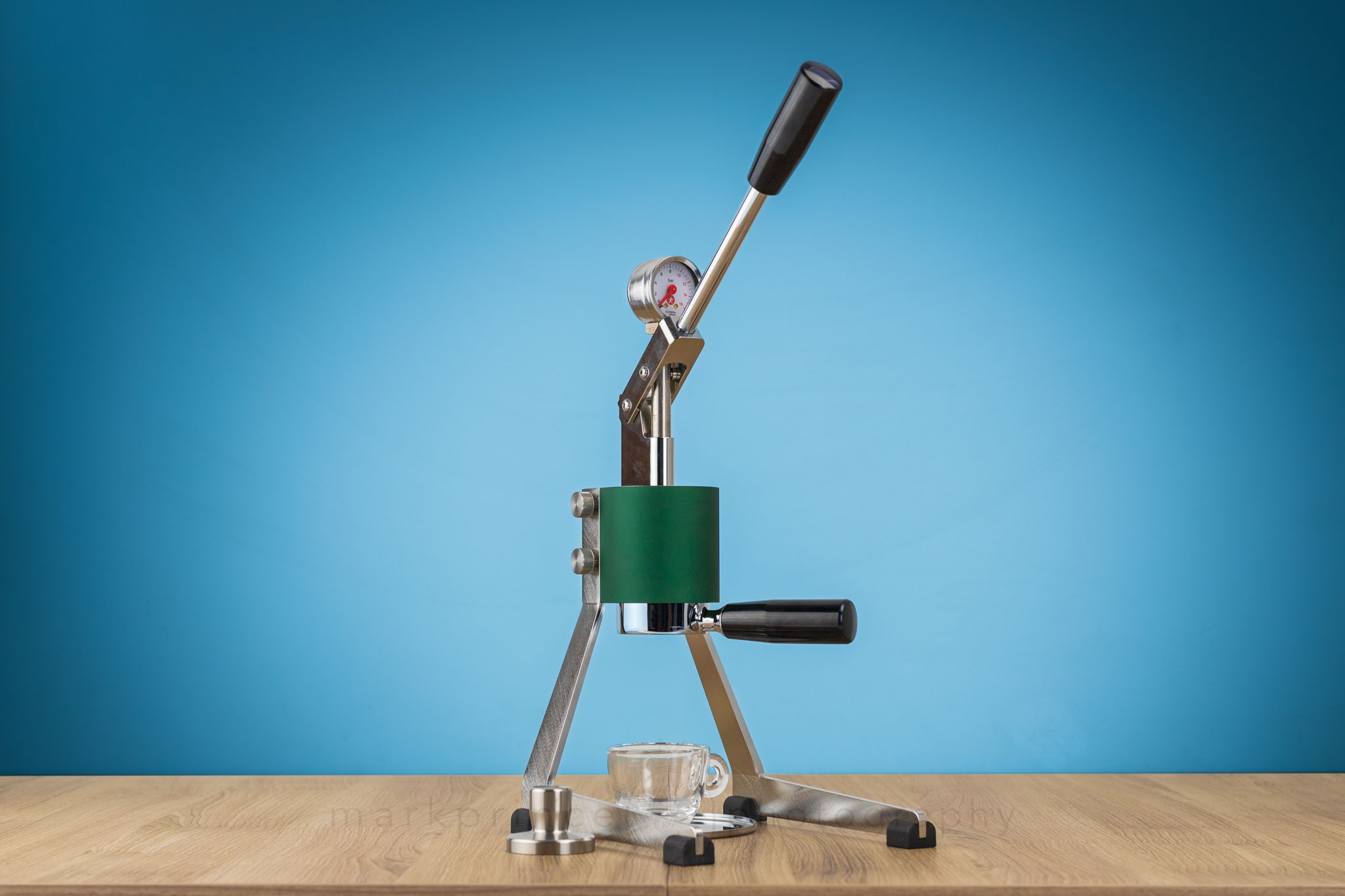
So, you can imagine the surprise in the coffee world when, in mid-2024, Olympia Express announced something entirely new: the Mina. It was a strange and beautiful looking device, a non-electric, direct lever machine designed for travel. The stated goal was to distill the core experience of the Cremina into a portable 2.5 kilogram (about 5.5 pound) package.
The target audience seemed clear. This was for the existing Cremina owner who wanted a “child machine” for the road, or for the coffee enthusiast driven by aesthetics, someone who views their gear as functional art, or “kitchen jewellery”. This was not a machine for someone looking for the easiest path to a morning shot.
The Mina, in Use
Getting my hands on one confirms the rumours. The build quality is substantial. This thing is a testament to Swiss precision, with a fit and finish that feels absolutely flawless. The central unit is a heavy piece of steel and anodized aluminum, with a chromed brass portafilter and a gleaming stainless steel lever assembly. Nothing on it creaks or feels cheap; it feels permanent. It is, without a doubt, a beautiful object.
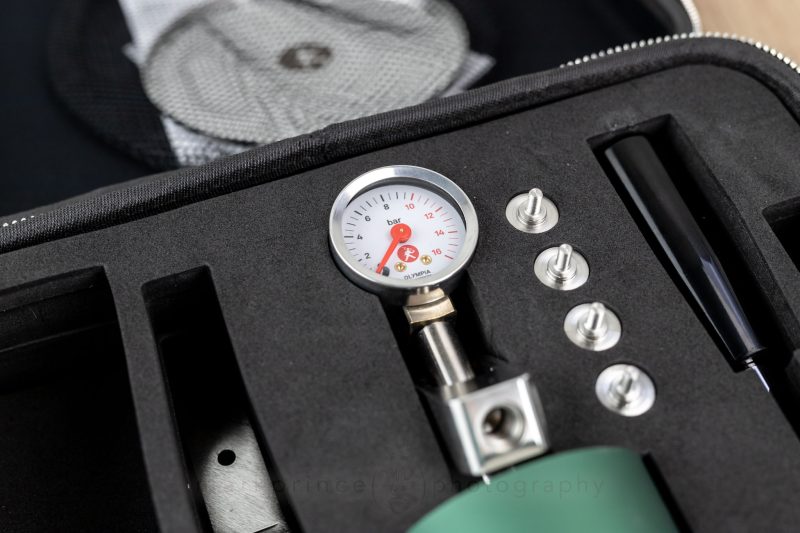
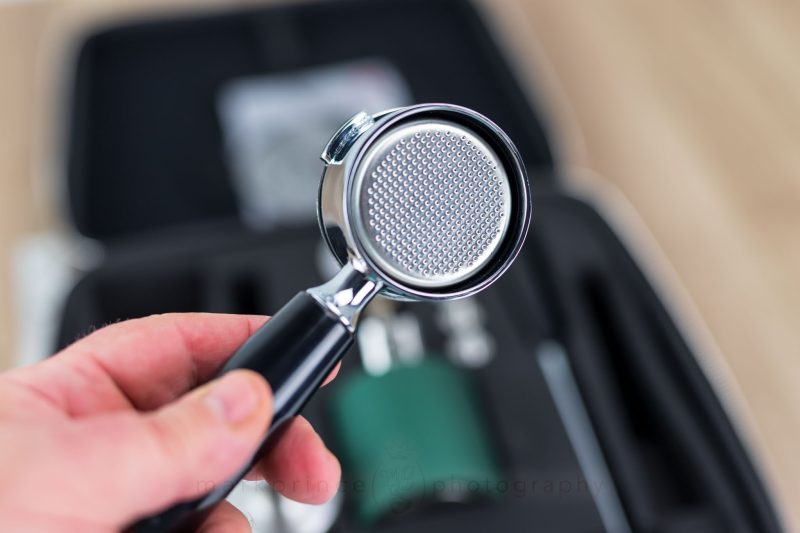


Of course, you pay for that beauty. The Mina clocks in at around $1,500 CAD ($995 USD), which puts it in a very particular bracket. Its most direct competitors, functionally speaking, are machines like the Cafelat Robot and the Flair 58, which cost almost half the Mina’s price.
This immediately brings up the question of value. Some online comments have called it “daylight robbery”, while others see it as a justifiable investment in a piece of heirloom art. It is a machine that completely ignores the law of diminishing returns, and it expects you to do the same.
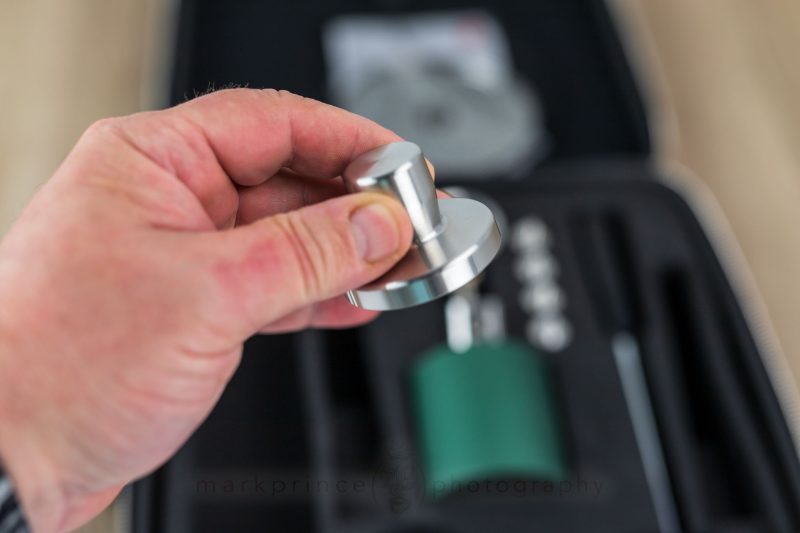
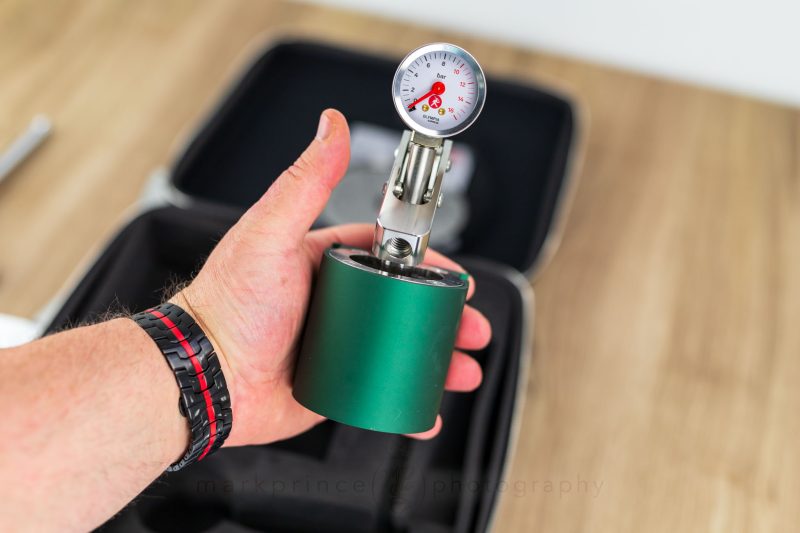
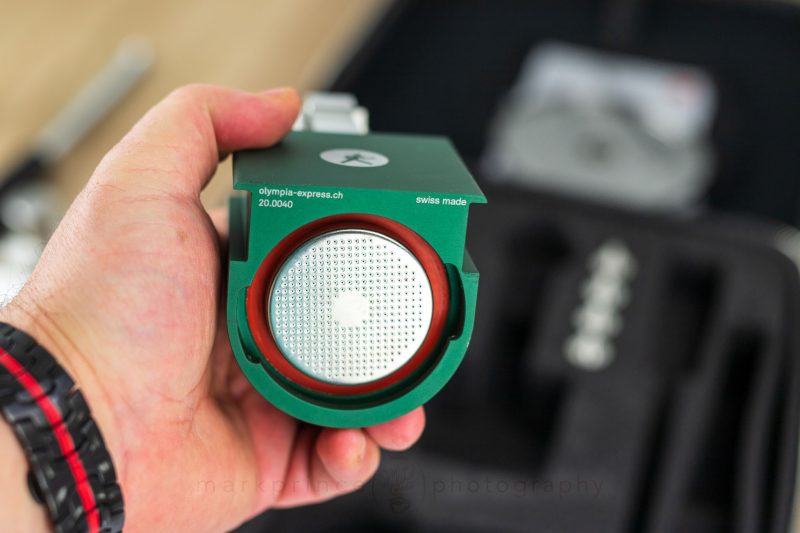
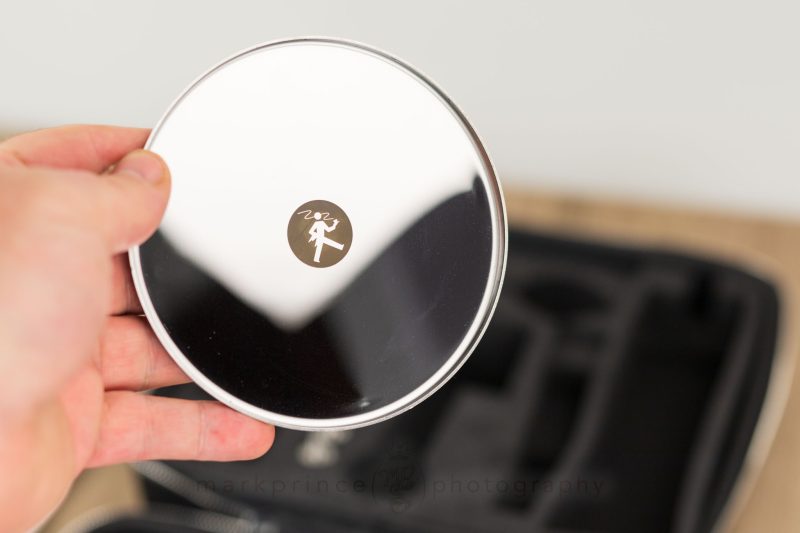


So what is it like to actually live with and use this beautiful, expensive device? My daily experience with the Mina was a lesson in ritual and, at times, a study in patience. The biggest part of the workflow, by far, is thermal management. That beautiful, heavy brew group has a lot of thermal mass, and the tiny 50 millilitre reservoir isn’t nearly enough to heat it on its own.
The owner’s manual suggests two warm-up cycles are enough, but in my experience, that was optimistic. My morning routine required at least three or four full fills of the reservoir with boiling water, dumped and repeated, before the group was at a stable temperature for brewing. I even got to the point where I’d move the machine to the sink and pour boiling water all over the exterior of the reservoir to further heat up things.
For a company with “Express” in its name, this is a decidedly slow start to the day.
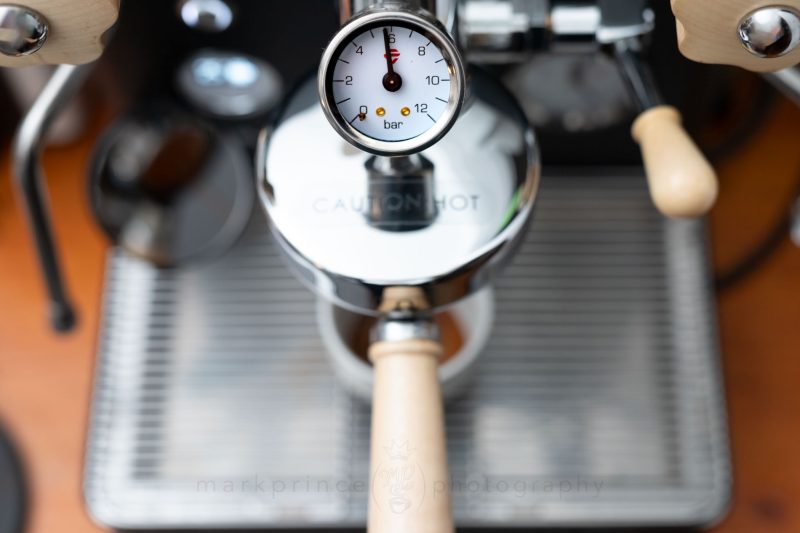
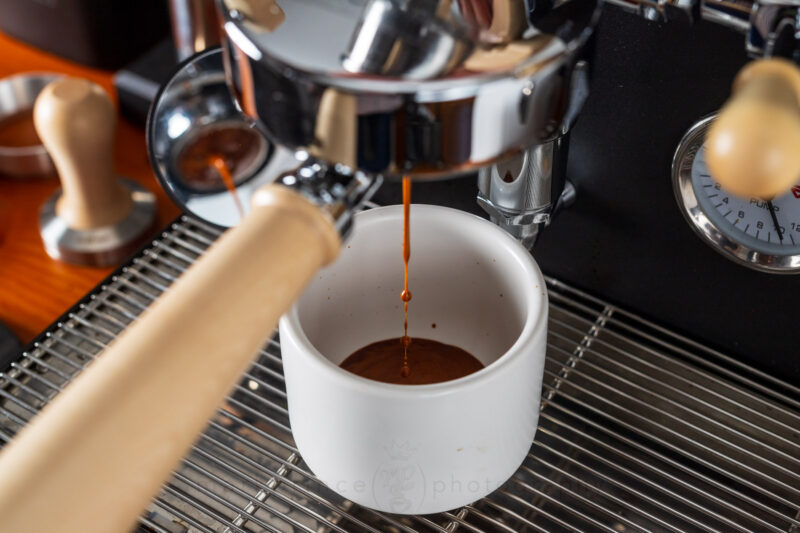
Once preheated, the process can be quite satisfying. You fill the chamber one last time, lock in the small 49mm bottomless portafilter, and lift the lever to pre-infuse. The integrated pressure gauge is a nice touch, borrowed from the electric Cremina models (the original ’67s, of course, had no such thing).
Then you press down. The force required is significant, and I quickly learned to brace the machine, either by one of its legs, or by gripping the portafilter handle, to keep it from tipping forward, a common move for anyone used to compact lever machines. When everything aligns, the espresso is delightful. I found it especially well suited to the kind of medium to dark roasts that produce the deep, sweet shots reminiscent of the classic Vivace blends I remember from years ago, a flavour profile that seems to be fading in an era of tart, light roasts.
The question of practicality looms large, especially given its marketing as a travel machine. I see these lovely photos and videos posted by Olympia Express of the Mina on a sandy beach or at a campsite, and I have to chuckle. The reality is, with its need for a kettle and a place to dump multiple rounds of boiling water, this is not a device for true off-grid adventuring. As one reviewer dryly noted, ‘it’s a nice photo, but that’s about it.'”
The Mina’s portability is for travelling from one kitchen to another, say to a friend’s house or an Airbnb with amenities.
In the current market of manual levers, the competition is stiff. The Mina is not just competing with its own legacy; it is up against some very clever and much more affordable machines. The most obvious comparison is with the Flair 58. The Flair’s single greatest advantage is its electric preheat controller, which completely eliminates the laborious preheating that defines the Mina’s workflow.
The Flair is also built around the industry standard 58mm portafilter, giving you access to a huge world of baskets and accessories, whereas the Mina’s 49mm size is far more proprietary. When you consider that the Flair 58 is just over half the price, it becomes the clear choice for anyone prioritizing convenience and versatility. Many people start their manual journey with a Flair NeoFlex or a Pro 2, learning the ropes on a capable and affordable device. The Mina asks you to skip all that and jump straight to the top, both in price and in material quality.
Mina in the Real World
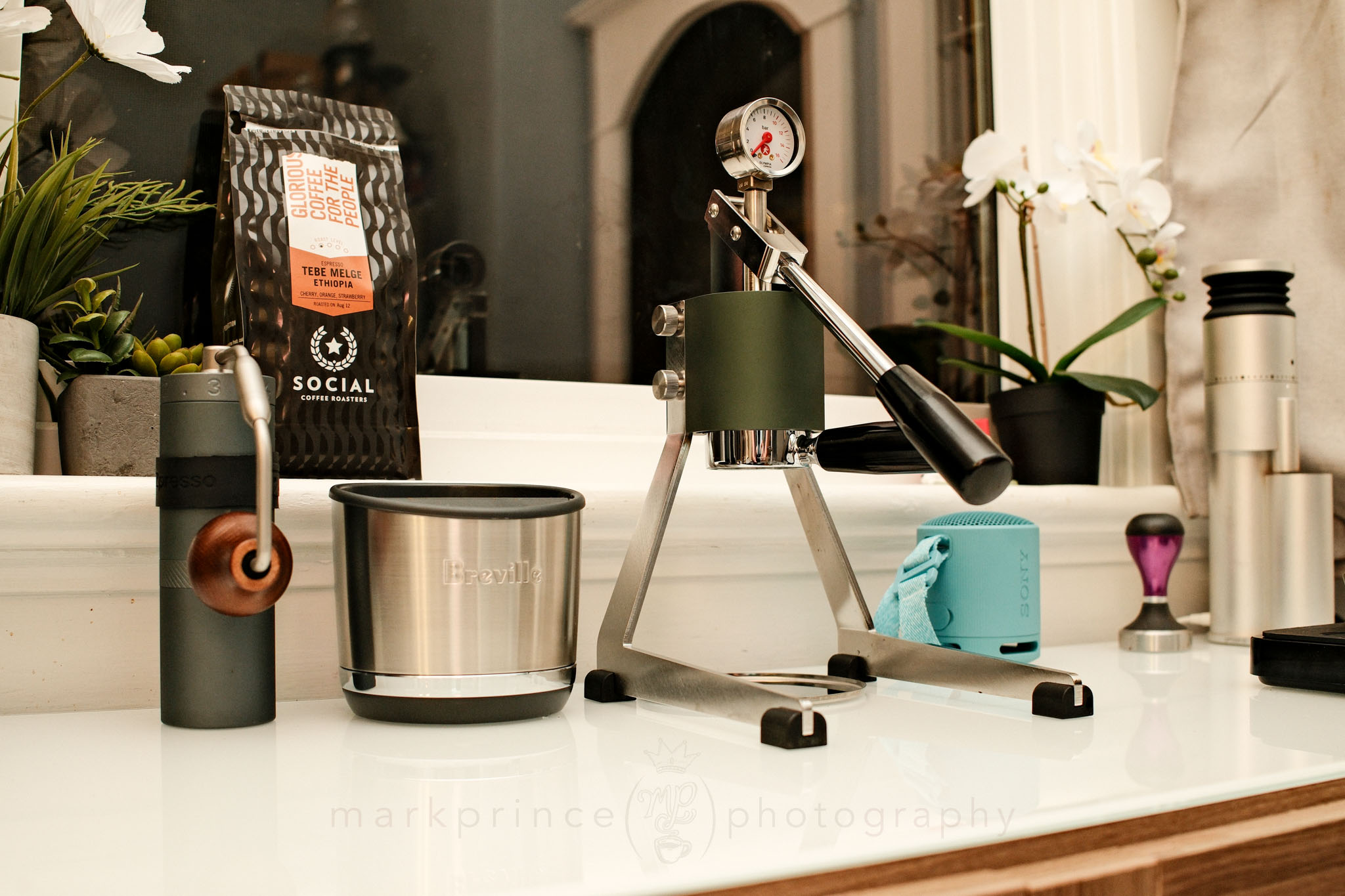
This brings us to the summary of the experience. The positives are clear and potent. The Mina build quality is unimpeachable; it feels substantial and permanent in a way few products do anymore. It is also an object of real aesthetic joy, and for some, the pleasure of using such a beautiful tool is a primary driver. Finally, the tactile, hands-on process and the resulting espresso can be deeply rewarding.
But the negatives are just as significant. The price is a major hurdle for most. The preheating workflow is laborious and time consuming. And then there is the question of reliability. While my time with the machine was mostly a study in its workflow, we at CoffeeGeek have received user reports that paint a more concerning picture.
One long-time espresso enthusiast shared their detailed experience with us. After about a month of daily use, making around three shots a day, their Mina’s internal valve started to malfunction, refusing to open and spilling water.
Upon contacting Olympia Express, they were told to lubricate the valve, and that this was a “known issue” that had appeared during the company’s own product testing. Following the advice given only made the problem much worse for this customer. The situation quickly escalated to a catastrophic failure where the cylinder head seals failed during a shot, sending hot water and coffee grounds spurting everywhere.
For a $1000USD device from a brand legendary for its durability, this kind of failure after only 100 shots is troubling. The user, feeling like an uncompensated product tester, ultimately returned the machine for a full refund.
I should note, Olympia has updated portions of the piston to possibly address this. I was sent one, which does require disassembly of the device to swap out. I did not have the time to install it to update this review, as the machine was already packed away for sending back to the Canadian retailer.
A Beautiful, Frustrating Paradox
So where does that leave us with the Olympia Express Mina? It is a genuine paradox, a machine built with futuristic precision to honour an old-world craft. It is beautiful to the point of distraction, the kind of industrial design that makes you want to overlook its more demanding nature.
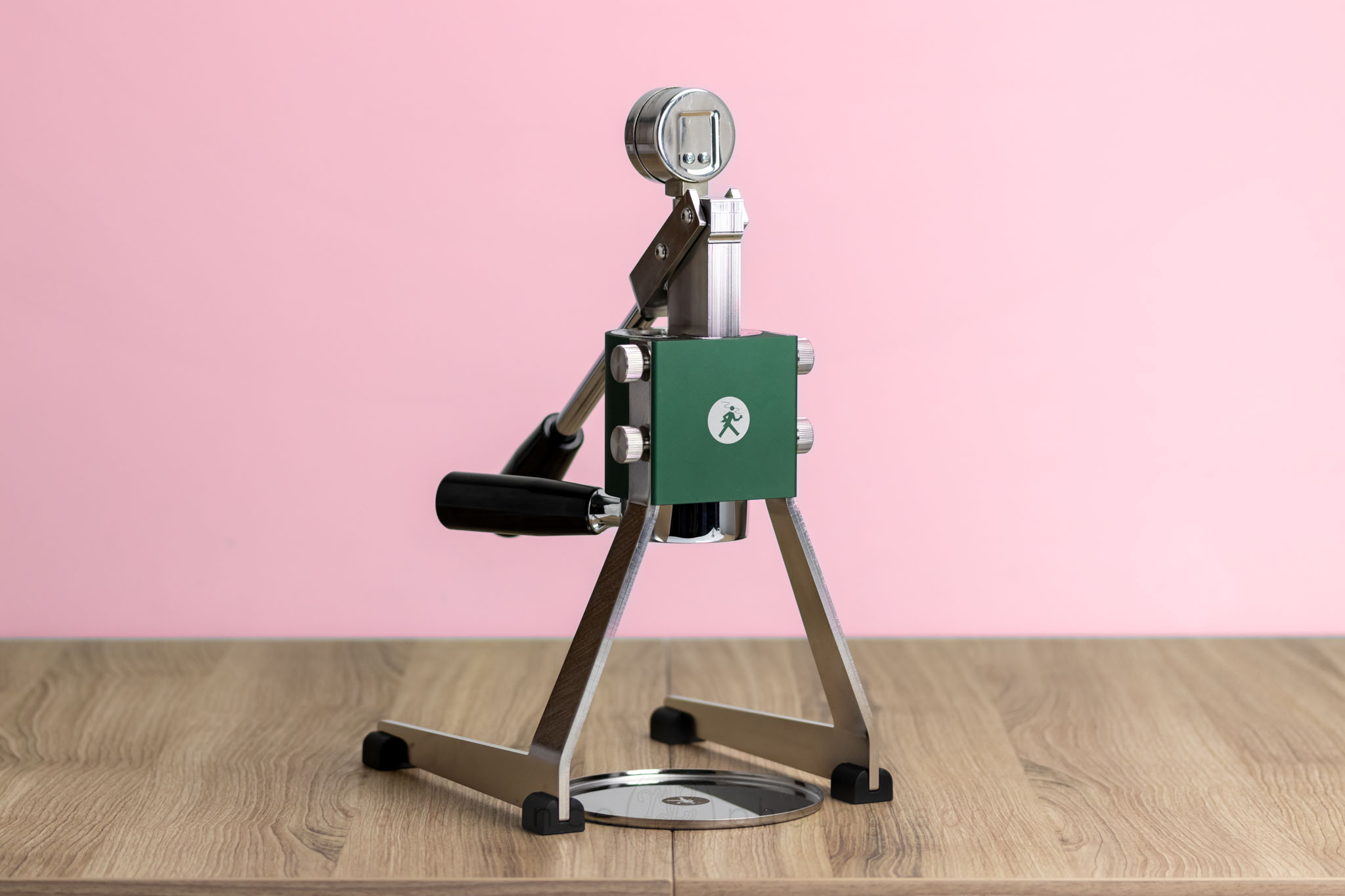
My original plan was to put the Olympia Mina through the full review process. The problem is that this was a loaner machine I had to handle with kid gloves, and more importantly, a review would almost certainly have resulted in a score that would read as a major public slap.
I have too much admiration for Olympia, for their history and for the unique space they have carved out in the espresso world, to do that. So instead I chose a lower-key, feature article look at the Mina. I still owe it to readers to share what I experienced, but I want to do it in a way that reflects my respect for a company I hope will continue improving this device, and creating remarkable machines for years to come.
All this said, for a very small number of people, the Mina might just be perfect. If you are a die-hard Olympia Express loyalist, already own a Cremina and its 49mm accessories, and want a travel companion for your trips to the cottage, it could make sense. If you are an enthusiast for whom aesthetics and brand heritage outweigh all practical and financial concerns, you will probably love it.
For everyone else, it is a very difficult machine to recommend. The laborious workflow, the premium price, and especially the documented potential for early mechanical failure (hopefully corrected with the new piston design) make it a risky proposition.
You can get a simpler, more robust experience from a Cafelat Robot or a more convenient and versatile one from a Flair 58, all while saving a significant amount of money. The Mina is an investment in a feeling, a philosophy, and an object of undeniable quality. But as one user’s experience shows, that investment can sour quickly.
It is an endgame portable heirloom for a very specific person, but for most of us still on the journey, more practical paths to great espresso abound.

Mark has certified as a Canadian, USA, and World Barista Championship Judge in both sensory and technical fields, as well as working as an instructor in coffee and espresso training. He started CoffeeGeek in 2001.









3 Responses
I’ve seen the lustworthy photos of the Mina across social media channels for a while; I own a restored Cremina I got through Orphan Espresso, and have been really considering this machine. I’ve seen the neg comments on reddit and home barista, mostly from ppl who haven’t even seen or used the machine. It’s good to get your perspective, and also hear the news they’ve upgraded the piston design. Knowing the detriments on this machine, you know what, I’m still thinking about pulling the trigger. I love Olympia Express, and can see myself having fun with the Mina.
This couldn’t have come at a better time for me! I was literally having a conversation about the Olympia Mina with a colleague yesterday, and now I have the perfect resource to send them. Your insights on the lever machine are very fair, and I loved how you didn’t shy away from covering the Mina’s detriments, while still showing what we all love about the Olympia Cremina and that company. Thanks for keeping it real and honest.
Interesting dive into this machine. I tracked comments on reddit and home barista, saw that many people were trashing this product without seeing one in person. I can appreciate you giving it a fair shake, but also coming up with similar conclusions to what the speculation is. I love the look of the Mina. I wish it was executed better. I wonder how many Olympia will sell.