




When I first fell in love with espresso and was learning how to make it at home, there were basically four types of machine technologies out there that could make actual espresso (I’m not including stove top boilers and camp espresso devices):
- Manual Machines, based on levers that would use your hand strength to push water through a bed of coffee, or cock a spring to do the work.
- Semi Automatic, which were machines that had an internal powered pump that would push water through the bed of coffee when you activated a switch, and would stop pushing water through when you de-activated the switch.
- Automatic, which were machines that used an internal pump, but also had some sort of volumetric control for the amount of water used to brew an espresso shot. You would press a button, and the machine would activate the pump, and deliver a pre-set volume of water before de-activating the pump, automatically.
- Super Auto, a technology that came to home espresso machines around the year 2000; it includes an internal grinder and tamping mechanism that takes over the entire process of making an espresso shot. With the touch of a button, the machine grinds coffee, moves it into a brewing chamber, compacts it, and brews using a pump to provide pressure, delivering a pre-set volume of water before shutting off. The spent puck is then ejected into an internal waste bin.
That was the standard for many decades (with the Super Auto coming in late). You could buy manual machines, semi automatics and automatics going back to the 1980s, for home espresso use. The Super Auto joined in 2000 in earnest (though super automatic espresso machines for commercial use were invented in the early 1990s, by one of the co-owners of the Baratza grinder company, Kyle Anderson).
Things have changed in the last five years however. Quite a bit. The first and last categories — Manual and Super Auto — are not as they were. There’s new technologies (some re-crafted old technologies) now in the market that dramatically expand these categories. Here’s the manual category first.
Manual Espresso Machines
Manual espresso machines have traditionally been based on a lever.
The lever is used in one of two ways: either you depress the lever to cock a beefy spring inside of the espresso device and once you let go of the lever, the spring uncompresses, pushing a piston which in turn pushes brewing water through a bed of coffee.
The second lever design is what some call a direct lever. This means your hand, your muscles are directly pushing a piston that pushes brewing water through a bed of coffee.
Both machine styles are powered, and use that power to heat and regulate water temperature in a boiler. No electrical power is used to run a pump. There’s not on/off switch for brewing, just an on/off switch for the water heater. They’re basically a big boiler with some lever arms attached.
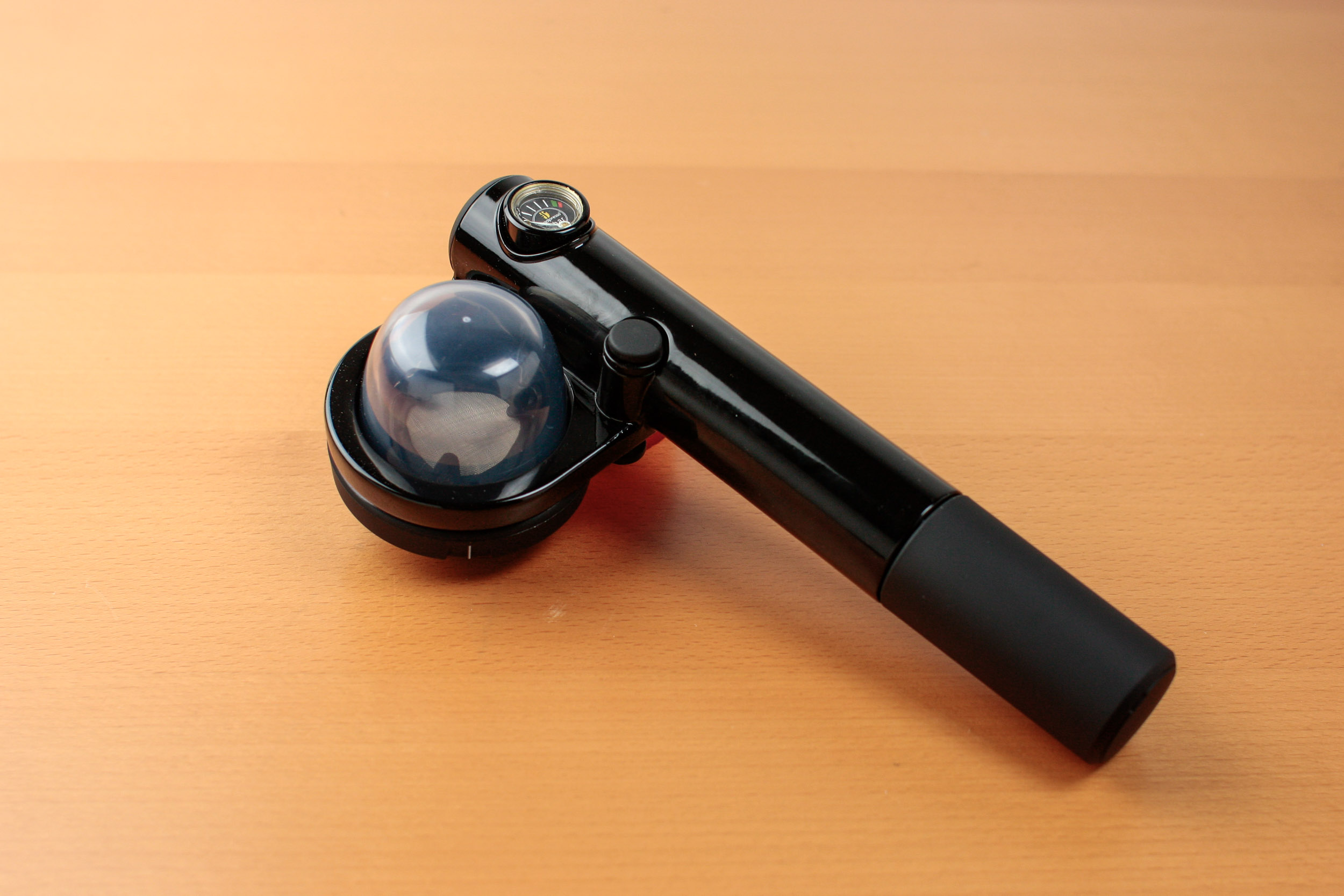
In the latter part of the first decade of this century, the Handpresso manual, travel espresso machine hit the marketplace. Instead of levers or electro-mechanical pumps, this device would use a kind of bicycle pump to inflate a chamber to provide air pressure (all the way up to 6BAR!) to brew a shot of espresso. This was most definitely a manual espresso machine, but it was non electrical; you had to supply it with boiling water.
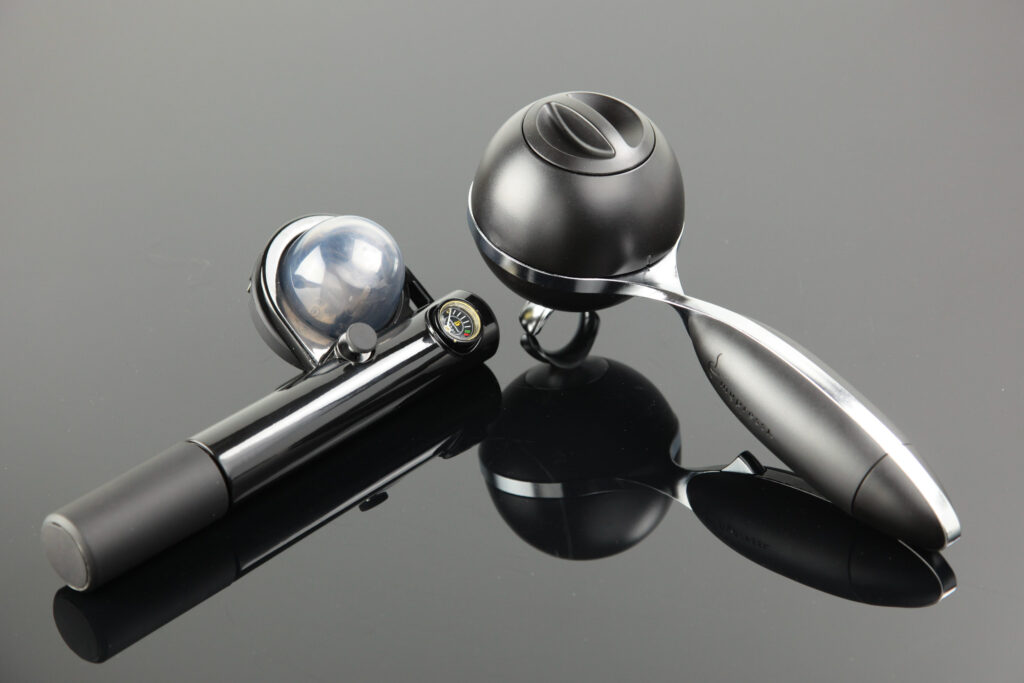
The next big device to come along and shake up this market was the Mypressi espresso brewer. It looked like a tool out of 2001: Space Odyssey. It was manual in that there was no pump, no on/off switch, but it used small nitrogen capsules, the same kind used in whip cream dispensers, to push water at high pressure through a bed of coffee. (ed.note – not sure if I’d call this a manual machine, given it uses gas pressure capsules).
There’s been other devices to come along since. Even one company designs a special cap for the Aeropress so it can push out a beverage that is close to real espresso, depending on how hard you push down on the Aeropress’ plunger.
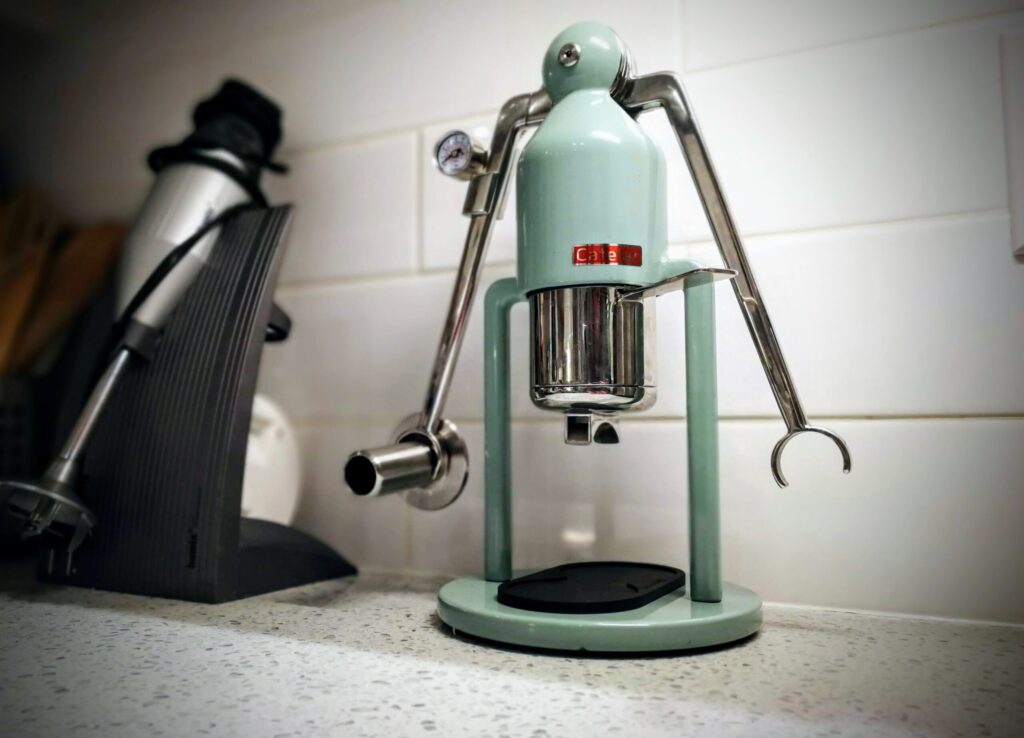
More recently, we’ve had the Flair Espresso Machine and the Cafelat Robot, which are both very much manual espresso machines and both use a lever system for the direct application of pressure to brewing water that is then pushed through a bed of coffee. But both are completely mechanical, no electricity. You supply the water to the device.
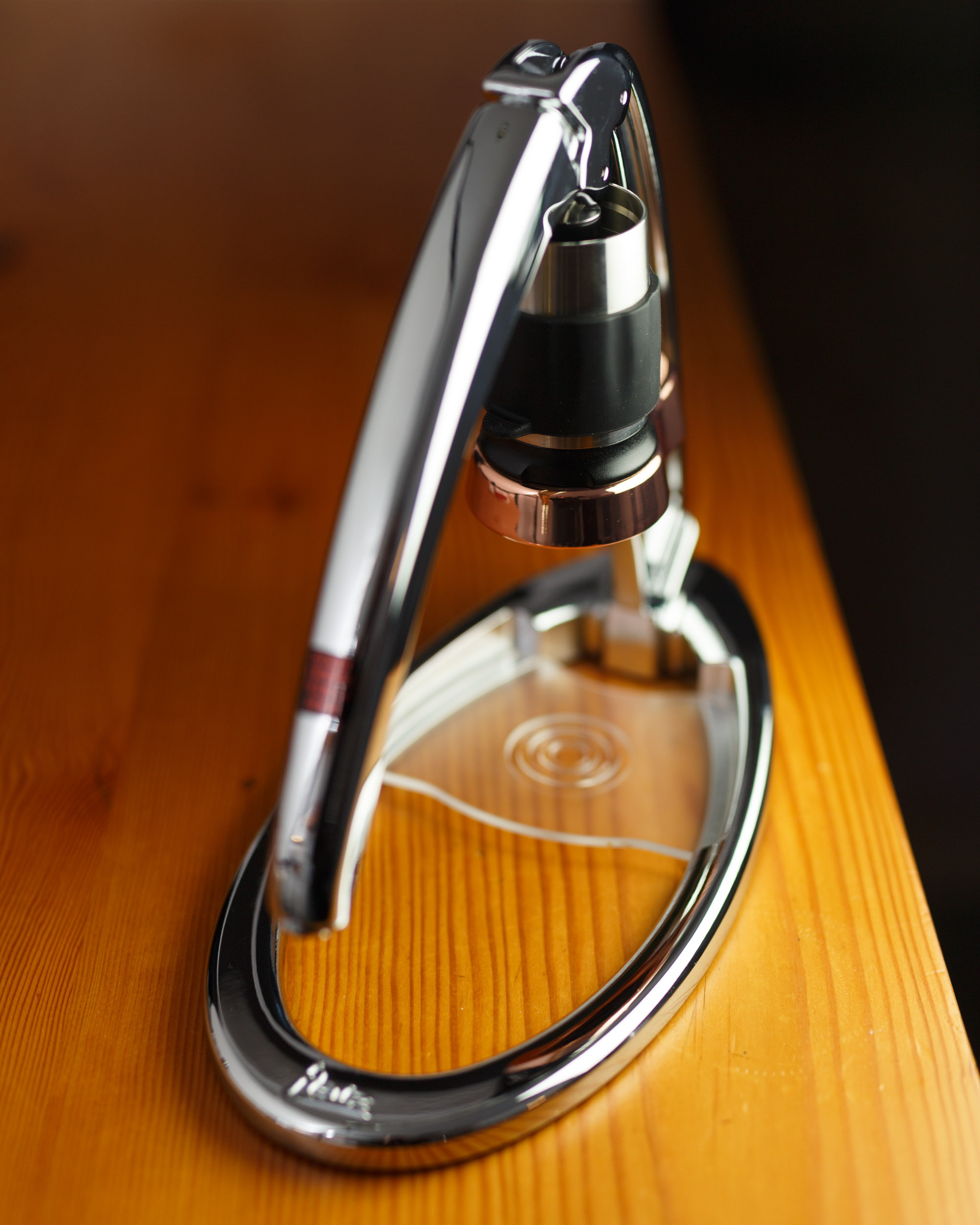
I own a Flair device (a Flair Pro 2) and I can tell you, it brews real espresso. It’s a work load and I can’t easily produce shot after shot, but it brews real espresso that is tasty and satisfying. It can’t steam milk, but it brews a satisfying shot of espresso! I see Robot owners on Facebook all the time talking about their nifty Cafelat machines and how much they absolutely adore them for their usability and output.
So now it seems the Manual category goes beyond just a La Pavoni lever machine, or an Elektra Micro Casa a Leva (lovingly called the MCaL).
Super Automatics
Super Automatics are a young category, but one that has seen major upheaval since they first hit the home market in the early 2000s.
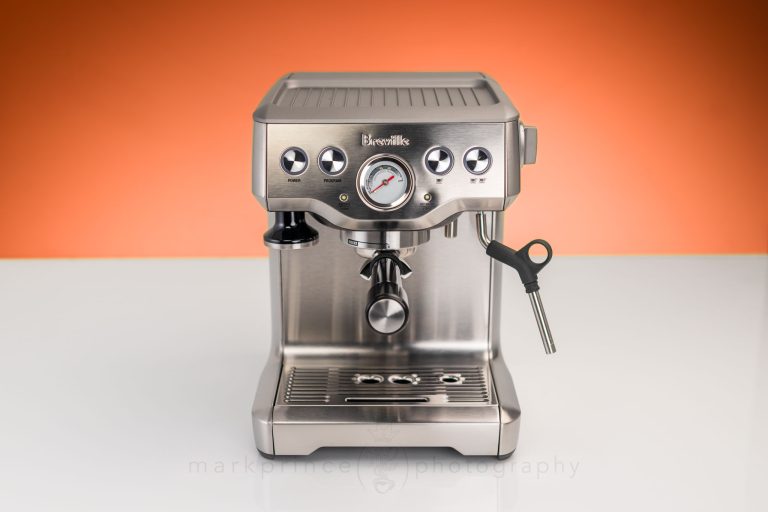
The Breville Oracle and Breville Oracle Touch are considered Super Automatics by the modern definition of term, even though they are most definitely not like any super automatics elsewhere on the market today.
They do tick almost all the boxes:
- Grind coffee automatically,
- Dose the coffee, automatically,
- Tamp the coffee, automatically,
- Brew the coffee, with a pre-set volumetric dose of water.
- Steam and froth milk, automatically, and
- In the case of the Oracle Touch, can build drinks for you almost 100% automatically through a screen menu system.
The one area the Oracle machines are different from all other super automatics is that they use a traditional 58mm portafilter, and you, as the user, have to move the portafilter from the grinder area to the grouphead, and once again remove it to dispense the spent puck of coffee. Everything else on the machines is automated, including the temperature-accurate steaming and frothing of milk.
I had the chance to work with the Oracle Touch machines when I was hired to be a barista at some special events at a premium kitchen store a year ago. It is an impressive piece of kit! It takes the concept of super automatic, and rolls in some tried and true “barista level” things, like the commercial grade portafilter, to make a shot of espresso or a steamed or foamed beverage every bit as good as you would find in any cafe.
All in all, the entire category system of espresso machines seems to be shaking up to include new and different technologies. Exciting times!

Natia loves coffee and relishes at the chance to write about it. She's competed in regional barista competitions in the past, and while no longer a Barista as a profession, she says espresso runs through her veins.