






Okay, coffee people, let’s talk about something that can seriously change your coffee game: water filters!
I know, it doesn’t sound thrilling at first. But trust me, if you’re into coffee (and who visiting this site isn’t?), especially if you’re deep into espresso, filtered water is about to be your bestie. And not just your best friend, but your espresso machine’s ride-or-die. Read on!
Why Water Filters Matter for Coffee
Let’s start with a basic truth that a lot of people sleep on: your coffee is mostly water. Like, 98% water (okay, 96% if it’s espresso). So, if the water isn’t great, your coffee won’t be either, no matter how on point your beans, technique, and gear are. That tap water you’ve been using? Yeah, it’s probably packed with minerals, chemicals, and all sorts of other things that you don’t want messing up your pursuit of coffee cup perfection.
Straight up: unfiltered water usually has a lot of stuff in it like chlorine, calcium, magnesium, and even iron. Ugh, chlorine. Who wants to drink pool water.
These can all mess with the taste of your coffee. Some of these minerals are necessary in small doses (they actually help extract and enhance flavor, especially magnesium), but too much? Nah. That’s where your brew gets some negative influences, and your machine will soon be crying “no mas” because the calcium buildup is eating away at your boiler, the o-rings and connections in your machine, all while making a little home for itself.
The Pre-Filtered Coffee Experience
Before you start using a water filter, your coffee will probably taste… fine. It’s drinkable, maybe even pretty good. But it’s not necessarily amazing. You might take a sip and think, “Yeah, this works,” without feeling like it’s the best cup you’ve ever had.
That’s because extra minerals in tap water can throw your flavors out of balance. Maybe it’s a touch too bitter, maybe the body feels a bit flat, or maybe those sweet, fruity notes promised from that single-origin Ethiopian you splurged on aren’t quite shining through.
Tap water is often hard, meaning it has a high mineral content. That can make extraction tricky, especially with espresso. Espresso is fast and intense, so even small differences in water can affect taste. Hard water can make shots taste bitter or chalky, and it can mute the depth and complexity you’re looking for. One of the most common results of hard water is that slightly chalky taste.
On the other hand, if your water is too soft (meaning low in minerals), the extraction might be too quick, and you’ll end up with under-extracted coffee. That’s the kind of shot that tastes sour, acidic, and just kinda weak. Nobody wants that. Well, maybe a few Scandinavian ultra-light roasters do. I don’t.
So before filtering, your coffee is probably somewhere in the middle. Serviceable, but not showing the full potential of those beans you spent good money on.
Now, think about your espresso machine. You’ve been giving it hard water for years, and those minerals? Yeah, they’re building a second home inside your boiler, thicker than the actual walls. Slowly but surely, they’re wrecking your gaskets, o-rings, and connections.
If your machine starts leaking after a couple of years, odds are you skipped using filtered water, and that tap water did all the dirty work.
Enter the Water Filter: A Game-Changer
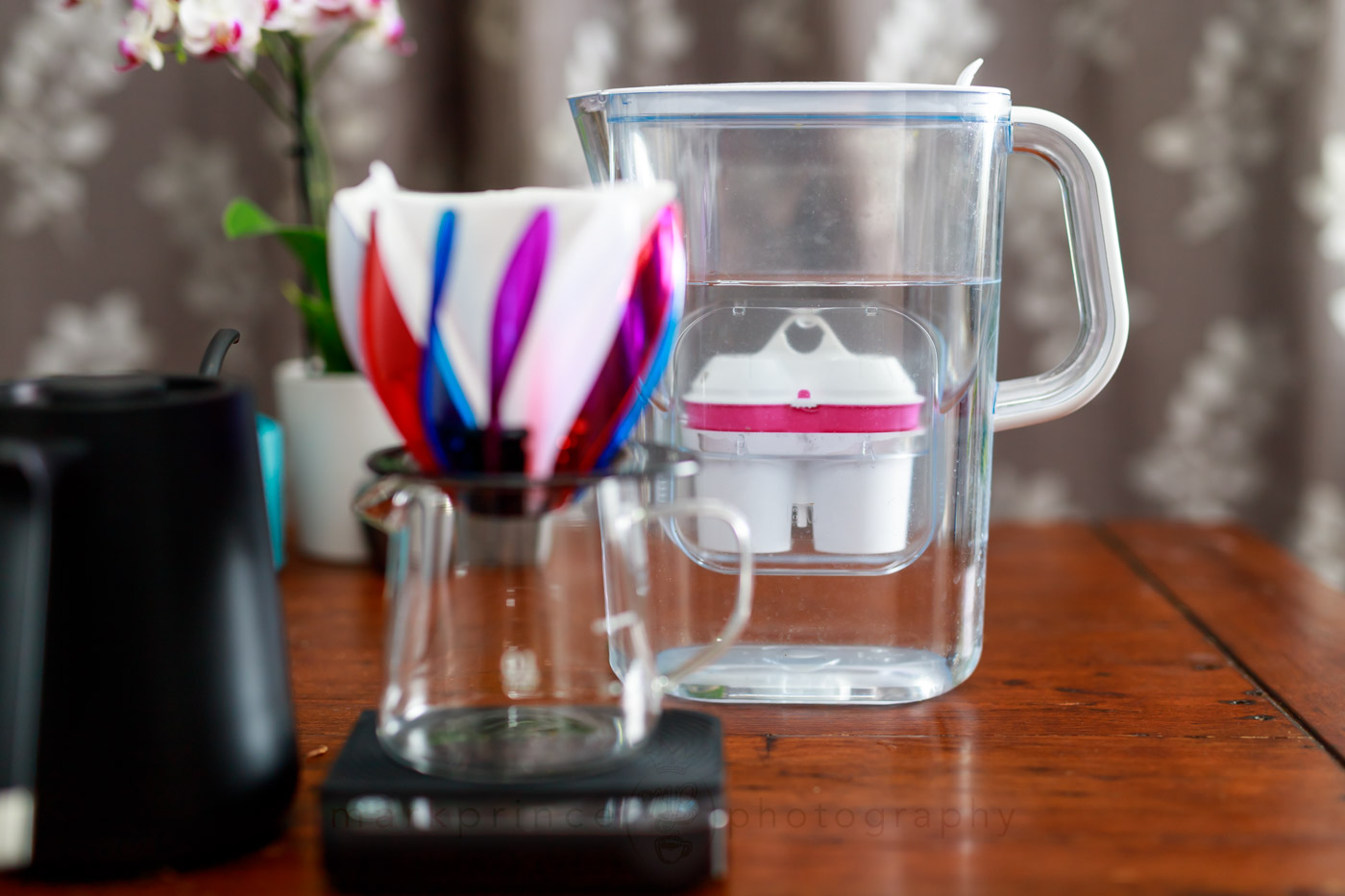
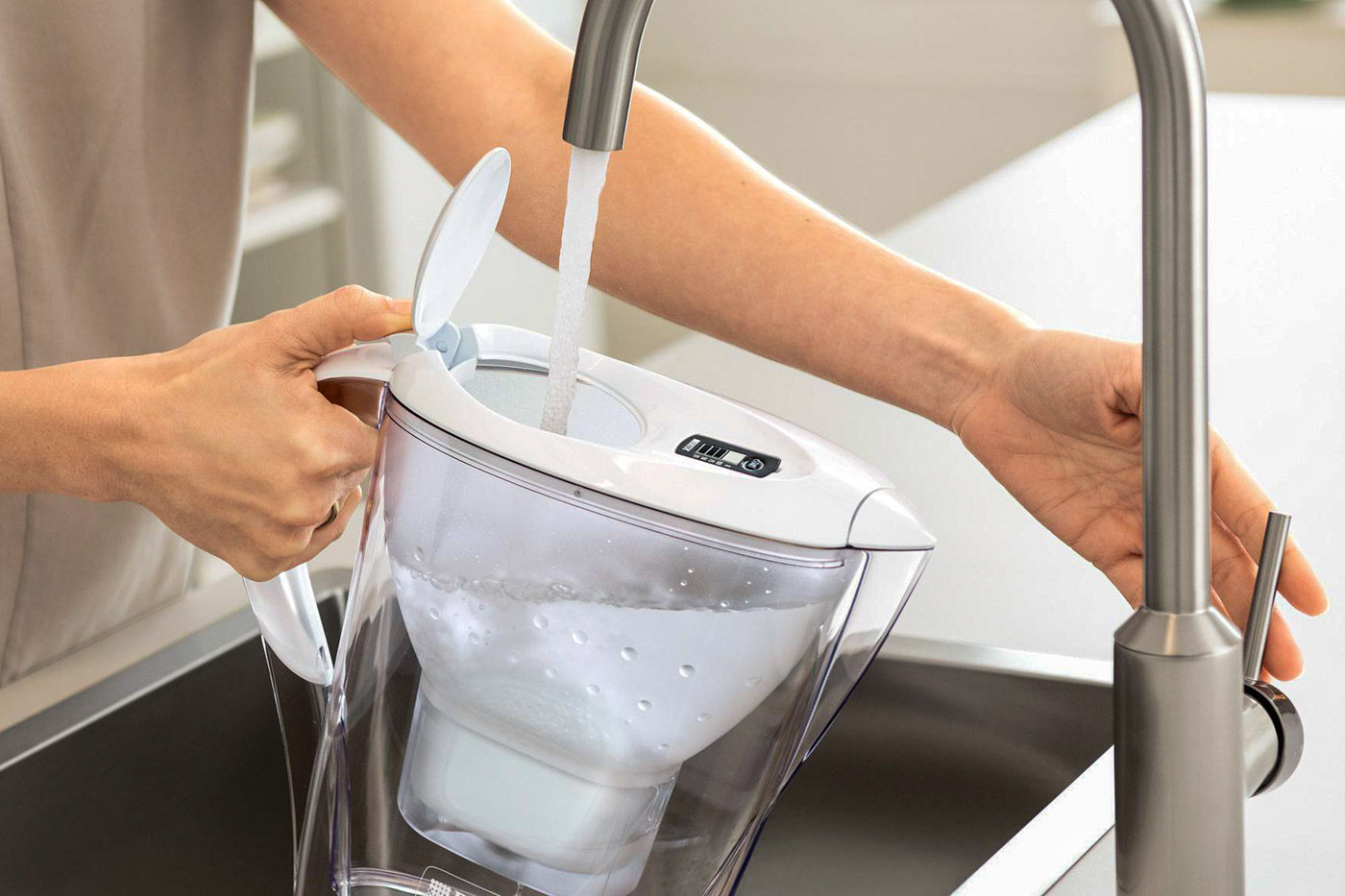
Okay so now you got your water filter. Maybe your espresso machine came with one, and you just never used or replaced the original filter (buy a pack and use them religiously!). Maybe you got one of those fancy under-the-sink ones, or maybe you’re keeping it simple with a Brita pitcher. (by the way, Brita is good, but BWT is way, way better, and I’ll tell you why later).
Any which way, “game on”. Once you start filtering your water, you’ll notice a shift almost immediately.
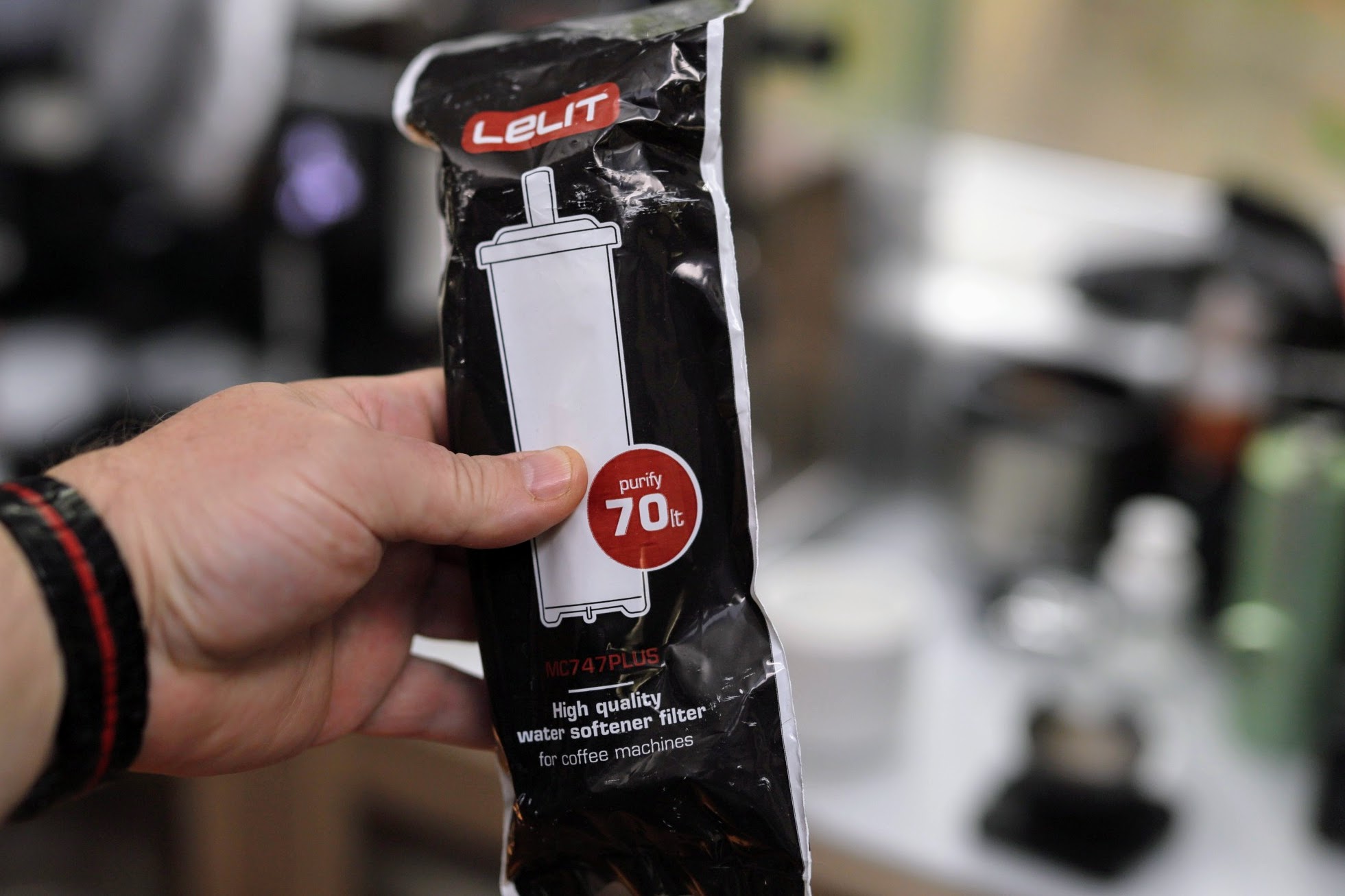
Filtered water removes most, if not all the nasty stuff like chlorine, lead, and excessive minerals, but it keeps just enough minerals to help with extraction. That’s the sweet spot. You don’t want pure, distilled water (that would be too soft; so avoid the Zero Water filters), but you want something that balances out those flavors in a way that’s just right.
With filtered water, your coffee suddenly tastes more vibrant. The bitterness you might have noticed before? Gone, or at least way toned down. The flatness? Nah, your coffee’s got body now. Those subtle fruity or chocolatey notes? They’re *actually* coming through. Chalk taste? Banished! If you’ve been using tap water for a while, it’s gonna feel like you’ve unlocked a whole new level in your coffee journey.
And that’s just with brewed coffee.
Filtered Water and Espresso: From Meh to Memorable
Now, let’s talk espresso. If you’re into brewing espresso at home, filtered water is basically mandatory if you want to get serious about your shots. Espresso is a precision game: small changes in anything (temperature, grind size, pressure) can drastically change the taste, and water is a *huge* part of that equation.
With unfiltered water, especially if it’s hard water, your espresso might come out too harsh or overly acidic. The flavors won’t be as layered or nuanced. It’s like trying to watch a movie in 480p when you could be streaming in full HD (or even push 4K!). You can still get the gist of the plot, but you’re missing out on all the finer details.
Now, start using filtered water, and bam: you’ve hit espresso bliss. With the right mineral content, your extraction becomes much more balanced. You’ll notice a smoother mouthfeel, better crema, and flavors that actually make sense. No more weird bitter aftertaste. Instead, you’ll get the sweetness, brightness, and depth that a good espresso shot is supposed to have.
When I didn’t use a filter system (started with a Brita, then moved onto BWT), my shots always seemed chalky. With the budget Brita, that chalk was gone. It was so dramatic, I do not drink water out of our tap any longer: it’s all filtered and put in a jug in the fridge.
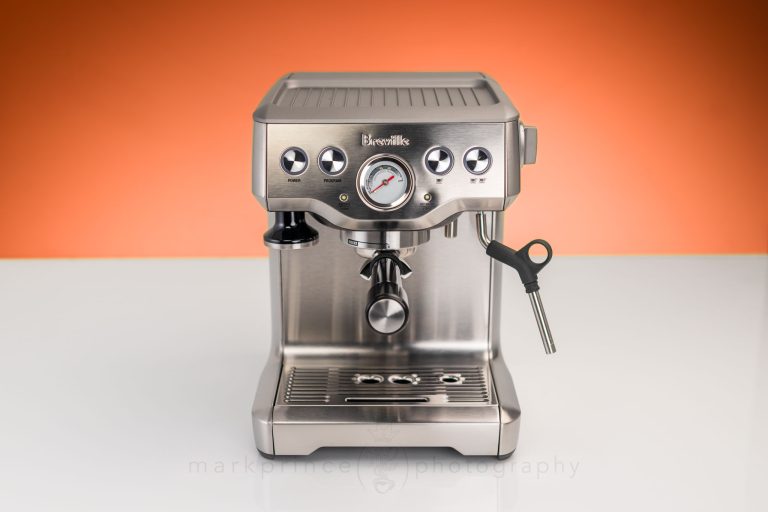
And let’s not forget about your espresso machine itself. Hard water can leave mineral deposits (hello, scale buildup), which, over time, will mess with the internal components of your machine. Scale buildup can block the water flow, reduce the temperature, and basically ruin your shots. I covered this earlier, but according to an espresso machine expert I spoke to about this, unfiltered water is responsible for over 50% of espresso machine leak problems. That’s substantial.
Taste Testing: Before vs. After Filters
So let’s break down what you’ll actually experience when you make the switch. Before using filtered water, your coffee probably has some of these traits:
- Bitterness: Especially with espresso, hard water tends to over-extract the coffee, bringing out those unwanted bitter compounds.
- Chalkiness: If your water is packed with calcium, you might notice a sort of chalky texture, especially as the coffee cools.
- Flatness: The subtler flavor notes—think fruity, floral, or sweet—tend to get lost in the noise. The coffee tastes more one-dimensional.
- Over-acidity: If your water is on the softer side but still unfiltered, you might get an under-extracted, sour-tasting brew.
- Inconsistent flavor: One day your coffee tastes decent, the next it’s off, and you have no idea why. Spoiler alert: it’s probably the water.
Now, after you start using a filter:
- Clarity: The flavors in your coffee will be much clearer. The fruity, floral, or nutty notes will actually *sing*.
- Balance: No more bitterness overload. Instead, you’ll get a balanced cup that’s sweet, rich, and complex.
- Smooth mouthfeel: Especially with espresso, the body of your coffee will feel much smoother and more satisfying.
- Consistency: Your coffee or espresso will taste more consistent day after day because you’ve removed the variable of unpredictable water quality.
- Longer machine life: Bonus points for your coffee maker or espresso machine not breaking down from scale buildup.
What Filtered Water *Won’t* Do
Okay, so filtered water is amazing, but let’s keep it 100: it’s not a magic fix for bad coffee. If you’re using old, stale beans or a poorly calibrated grinder, filtered water won’t save you. You still need to put in the work to get your grind size, brewing time, and bean quality right. But when everything else is dialed in? Filtered water is like the cherry on top, taking your coffee from good to extraordinary.
Wrapping It Up: The Filtered Water Flex
At the end of the day, switching to filtered water is one of those lowkey hacks that’s gonna change your coffee experience direction positive. Whether you’re into pour-overs, French press, or pulling perfect espresso shots, filtered water is that subtle upgrade that makes everything taste better. It’s like turning the lights up in a room you didn’t even realize was dark.
You’ve got options. If your espresso machine came with a filter system, stick with it! Chances are the company engineers those filters specifically to prolong the life of your machine. No mas included filter? No problemo, pick yourself up everyone’s fave budget filter system, the Brita. It will get the job done.
Want to move to the boss level? Our senior editor hooked me up with a BWT pitcher system a few months ago, and honestly, it’s been a total win. This system is specifically engineered for coffee use, in that it swaps out calcium (bad) with magnesium (good), and there’s even an option for added zinc (like real good). It’s about twice the price of a Brita system, but honestly? *Totally* worth it for your brew. (we got ours from Whole Latte Love). The replacement filters are often found on Amazon, and you can get six packs for under $40 (that’s under $7 per filter, with each filter good for 120 litres).
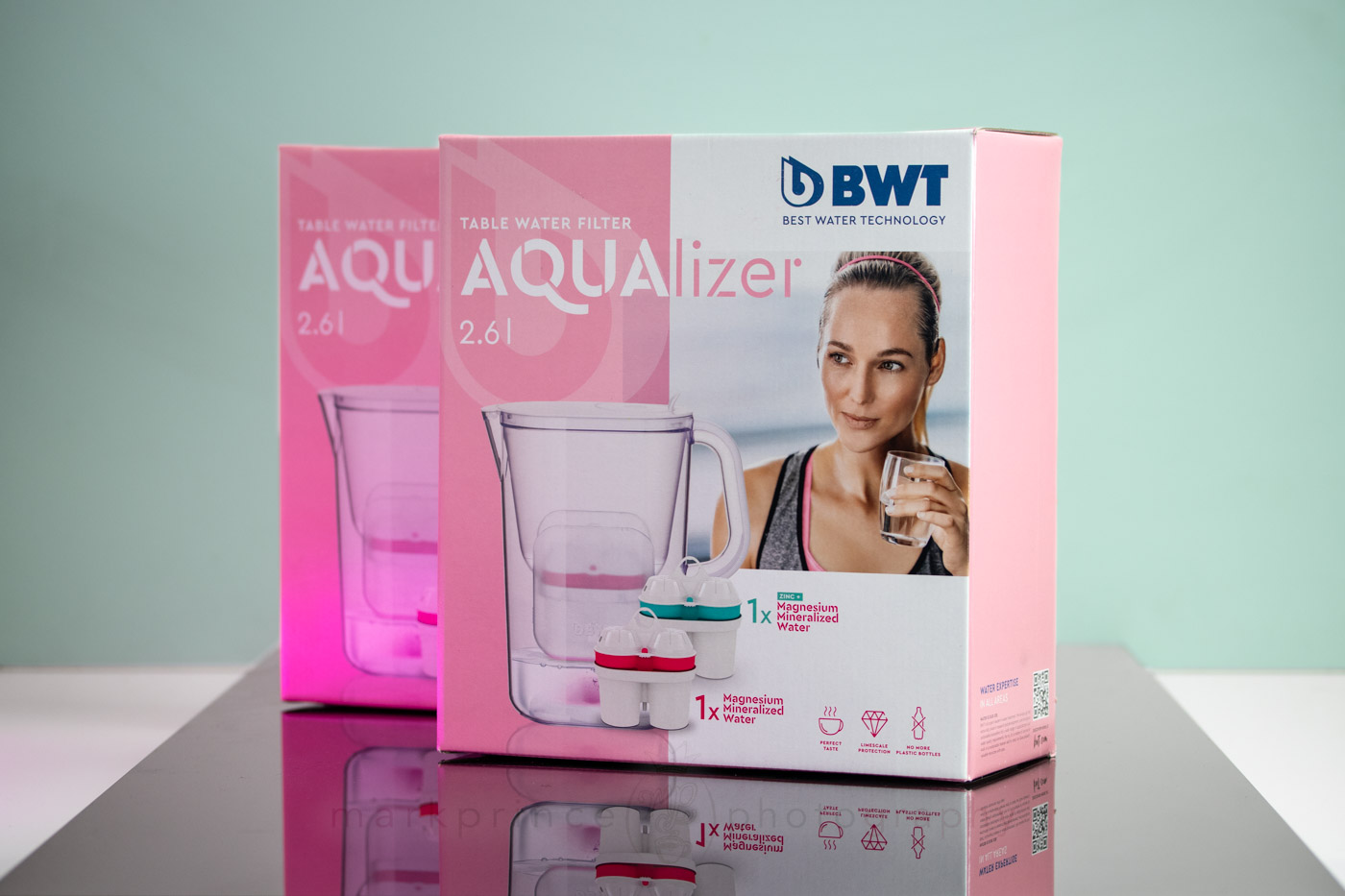
BWT has some other wild filter options too that are worth checking out. One of them is just a bag. Like, for real, it’s a bag you just toss into the bottom of your water reservoir. IIt rests there, doing its thing with the whole calcium/magnesium swap; quietly brilliant. They also build a cool aftermarket, in-reservoir filter system to turn your machine from no-filter to built-in filter, again using BWT’s advanced filter system. Both are worth looking into. And no, this is not a paid advertisement for BWT. They are just that good.
Now the TL:DR. Get a water filter. Don’t torture your espresso machine or your tastebuds! And if you got Qs, feel free to AMA me in the comments below.

Natia loves coffee and relishes at the chance to write about it. She's competed in regional barista competitions in the past, and while no longer a Barista as a profession, she says espresso runs through her veins.











One Response
Thanks for the article. I’m curious about the science behind magnesium and zinc being important for extraction. Do they help extraction because the charge of the ions helps pull out some of the compounds from the coffee? Also, when you say that magnesium is good but zinc is real good, what do you mean by that? Is the effect of zinc somehow different that the one of magnesium?